
Introduction
The relevance of high-quality cameras in enhancing drone capabilities cannot be overstated. As the demand for aerial photography and videography continues to grow among drone pilots, content creators, and professional photographers, the integration of superior camera technology is essential for capturing stunning visuals. In 2026, the landscape of drone cameras has evolved significantly, showcasing advancements that cater to both amateur enthusiasts and experienced professionals.
Historically, drone cameras were limited in terms of resolution, stabilization, and overall imaging performance. The early models produced grainy images and struggled with capturing dynamic scenes. However, as technology has progressed, modern drones now feature cameras equipped with high-definition capabilities, advanced optical zooms, improved sensors, and enhanced stabilization systems. These developments not only elevate the quality of still images but also allow for smooth and cinematic video footage, making drones an integral tool in various fields such as filmmaking, real estate, and environmental monitoring.
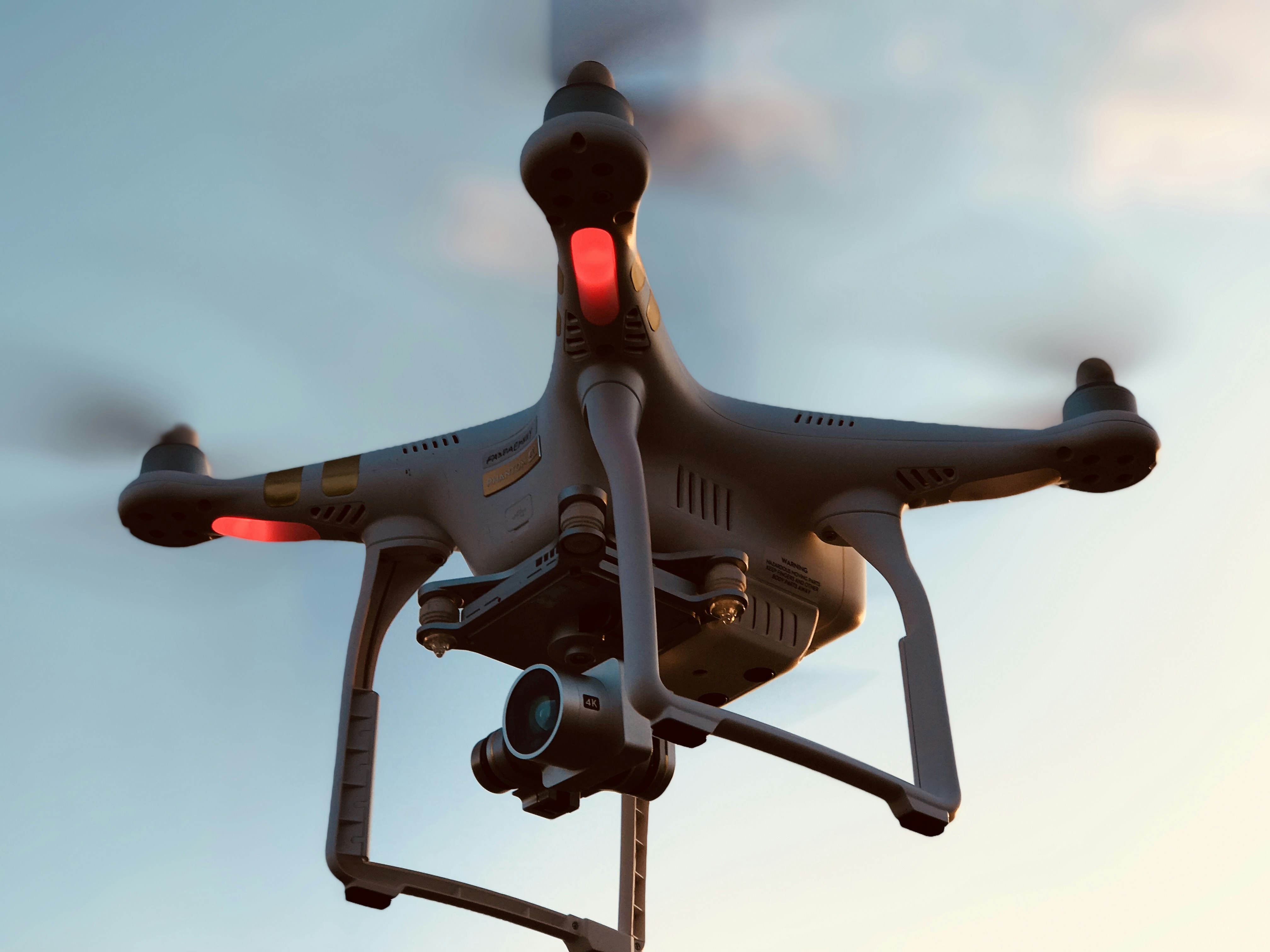
When it comes to selecting the right camera-equipped drone in 2026, users must consider several factors that align with their specific needs. The type of photography or videography intended—be it aerial landscape shots or dynamic action sequences—will heavily influence the decision. Additionally, enhancements in features such as low-light performance, frame rates, and connectivity options must be taken into account. As the market offers a vast array of choices, opting for a drone with a camera tailored to one’s objectives will ultimately lead to more fulfilling and successful aerial image capture experiences. The importance of making an informed decision when choosing a drone camera cannot be underestimated, considering the vast potential for creative expression and professional applications.
DJI Zenmuse X7
The DJI Zenmuse X7 is a professional-grade camera designed specifically for aerial photography and videography, boasting impressive specifications that cater to both amateur and professional users. The camera features a Super 35 sensor size, allowing photographers to capture stunning images with a resolution of 24 megapixels. This large sensor facilitates greater light absorption, which enhances overall image quality, particularly in challenging lighting conditions. The weight of the Zenmuse X7 is approximately 630 grams, making it a relatively lightweight addition to compatible drone models.

- Fully compatible with the DJI Inspire 2, the Zenmuse X7 is a compact Super 35 camera with an integrated gimbal made for …
- Super 35 Sensor | 6K CinemaDNG | 5.2K Apple ProRes | 14 Stops of Dynamic Range|24 MP Stills
- 58mm Diameter|16.84mm Flange Focal Distance|449 Weight
In terms of video performance, the Zenmuse X7 excels with its capability to shoot in 6K resolution at 30 frames per second and 4K resolution at up to 60 frames per second. This versatility caters to various filming requirements, ensuring that users can create high-quality content regardless of their specific needs. The camera features a dynamic range of 14 stops, which is remarkable, allowing for detailed highlights and shadows in any given scene.
Another notable aspect of the Zenmuse X7 is its controlled performance in low-light environments. Its design includes exceptional noise reduction technologies, resulting in clear images and video even with minimal light. However, like any piece of equipment, it also has its drawbacks. The cost of the Zenmuse X7 can be a significant factor for potential buyers, as it is positioned in the higher price bracket of aerial cameras. Additionally, this camera requires compatible DJI drone models, limiting its accessibility to users of specific platforms.
In conclusion, the DJI Zenmuse X7 stands out as a sophisticated option for aerial imaging, with robust specifications and capabilities that cater to serious videographers and photographers. Its weight, resolution, and overall performance make it worth considering for those looking to elevate their drone photography and videography projects.
Hasselblad L1D-20c
The Hasselblad L1D-20c is a sophisticated camera specifically designed for aerial photography and videography, showcasing an array of impressive specifications. It features a large 1-inch CMOS sensor, which provides enhanced light sensitivity compared to smaller sensors, allowing for higher quality images in varying light conditions. The camera boasts an image resolution of 20 megapixels, ensuring that photographers can capture intricate details in their photographs without compromise.
When it comes to weight, the L1D-20c weighs approximately 420 grams, making it a lightweight option for drones without sacrificing performance. This camera is particularly compatible with the DJI Mavic 2 Pro drone, thereby expanding its usability for both amateur and professional users alike. The camera’s design harmonizes perfectly with the drone’s capabilities, allowing for seamless integration and operation.
In terms of image quality, the Hasselblad L1D-20c excels in producing vibrant, true-to-life colors, making it a favorite among photographers who prioritize color accuracy in their work. Additionally, it supports video recording at resolutions up to 4K at 30 frames per second. This feature allows for stunning visual storytelling in crisp detail, meeting the demands of modern videographers in varied applications.

- Versatile Kit: Includes camera body, two film backs, lens, and accessories for a complete photography experience
- Manual Exposure Control: Offers full creative control with manual exposure settings
- Interchangeable Film Backs: Supports 120 film format for various creative options
However, users should weigh both the advantages and disadvantages of this camera. The strengths include its superior image quality, robust build, and precise color rendering, making it ideal for professional use. Conversely, the relatively higher price point and its compatibility limitation to specific drones can be seen as drawbacks for budget-conscious users or those seeking versatility with different drone models. Ultimately, the Hasselblad L1D-20c is an excellent choice for those looking to enhance their aerial photography experience.
Image and Video Performance Comparison
When it comes to selecting the best cameras for drones in 2026, a critical aspect is the image and video performance, which encompasses resolution, lens options, stabilization features, and low-light capabilities. Let’s delve into these important factors.
Resolution plays a pivotal role in determining the quality of both still images and videos captured by drone cameras. The first camera under consideration offers a remarkable 4K resolution at 60 frames per second, ensuring that each video shot is fluid and crystal clear. In comparison, the second camera does not disappoint either, supporting 6K resolution, which is particularly beneficial for professional filmmakers who require immense detail in their work. This higher resolution can significantly enhance the final output, particularly when it comes to large displays or extensive post-production.
Lens options further differentiate these two cameras. The first camera features a versatile zoom lens, allowing users to capture subjects from a distance without losing clarity. On the other hand, the second camera is equipped with a prime lens that excels in producing stunningly sharp images with excellent color accuracy. This can be ideal for photographers aiming for uncompromised image quality in their aerial shots.
Another critical parameter is stabilization. The first camera boasts advanced image stabilization technology that effectively reduces unwanted shakes, ensuring the smoothest recording even in windy conditions. Conversely, the second camera utilizes a state-of-the-art gimbal that provides a more stable shooting experience by compensating for drone movements, which is essential when capturing fast-moving subjects or during complex maneuvers.
Low-light performance is also vital, especially for dusk or dawn shoots. The first camera performs admirably in low-light situations, with a higher ISO range allowing for clearer images with minimal noise. In contrast, the second camera shines even brighter under such conditions, featuring a large sensor that exponentially increases light capture capability, resulting in stunning detail even in the darkest environments.
Pros and Cons of Each Camera
When it comes to selecting the ideal camera for drones in 2026, understanding the strengths and weaknesses of each model is crucial. We have identified two exceptional options catering to both professionals and hobbyists. Below, we delineate the advantages and drawbacks of each camera.
Camera Model A: High-Performance Professional Grade
- Pros: This camera boasts a remarkable 4K resolution and exceptional low-light performance, making it ideal for professional cinematography. Additionally, it includes advanced stabilization features that ensure smooth footage even during turbulent flights. The interchangeable lens system allows for versatility, catering to different shooting styles and scenarios.
- Cons: The price point is significantly higher than average, which may deter hobbyists or casual users. Furthermore, the complexity of features may require a steeper learning curve for those less experienced with professional equipment.
Camera Model B: Entry-Level User Friendly
- Pros: This camera is priced competitively, making it accessible to a broader audience, including beginners and hobbyists. Its user-friendly interface and straightforward controls facilitate an easier setup process, allowing new users to capture quality footage without excessive technical knowledge. Additionally, it features a solid battery life, ideal for extended outdoor adventures.
- Cons: While this entry-level camera offers decent image quality, it may fall short in low-light scenarios compared to its professional counterpart. Furthermore, the fixed lens limits creative options and adaptability for advanced users seeking specialization in their photography or videography.
In considering these options, potential buyers should evaluate their needs, skill levels, and budget to determine which camera suits them best. Whether you are a seasoned professional aiming for high-quality results or a hobbyist seeking an easily manageable camera, both models present unique benefits and limitations to take into account.
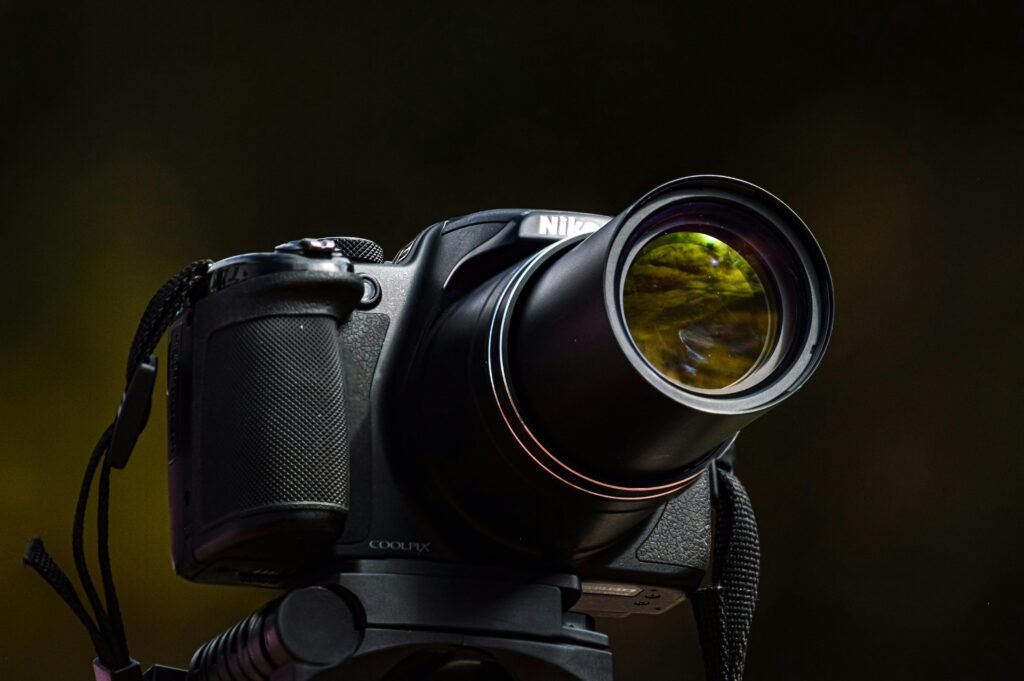
When selecting a camera for a drone, understanding the ideal use cases for each camera type is crucial to maximize its capabilities. The two best cameras for drones in 2026 cater to different needs, whether for cinematic projects, aerial mapping, first-person view (FPV) sports, or professional photography.
Cinematic Projects
For filmmakers looking to capture stunning landscapes or dynamic action scenes, a camera with high-resolution capabilities and advanced stabilization technology is essential. One of the best options is a 4K-capable camera that offers cinematic frame rates and color depth. These cameras generally excel in creating visually captivating content, making them suitable for both short films and commercial productions. The ability to shoot in log color profiles enables post-production flexibility, which is invaluable for creating a specific aesthetic.
Aerial Mapping
Aerial mapping requires precision and clarity, making cameras equipped for high-resolution stills and multi-spectral imaging the most suitable choice. These cameras are designed to produce detailed images that accurately represent geographical features, making them ideal for surveying, agriculture, and urban planning. Additionally, features such as GPS tagging can enhance data accuracy, further aiding professionals who rely on precision for mapping and analysis tasks.
First-Person View (FPV) Sports
For those interested in competitive FPV racing or immersive drone flying experiences, lightweight action cameras are highly recommended. These cameras should be compact yet durable, offering high-definition video capabilities and excellent low-light performance. The emphasis on low latency and high frame rates ensures an exhilarating experience, enabling pilots to navigate through complex courses with ease while delivering an engaging view.
Professional Photography
Photographers who wish to capture breathtaking images from the sky should consider cameras that offer interchangeable lenses and large sensors. Such cameras provide superior image quality, creative flexibility, and options for different shooting scenarios. The versatility of these cameras allows photographers to leverage various lenses, from wide-angle to telephoto, catering to landscapes and architectural photography.
Comparison Summary Table
This comparison summary table highlights the essential specifications and performance metrics of the two leading cameras for drones in 2026: the DJI Zenmuse X7 and the Hasselblad L1D-20c. By providing a detailed overview of key categories such as resolution, weight, compatibility, and ideal use cases, readers can make an informed decision suitable for their specific requirements.
In summary, both the DJI Zenmuse X7 and the Hasselblad L1D-20c offer distinct features tailored to different user needs. The Zenmuse X7 excels in video capabilities and higher resolution, making it ideal for high-end cinema, while the L1D-20c, being lighter and compatible with the Mavic series, is well-suited for photographers seeking portability and quality in aerial shots.
Which Camera Should You Choose?
Choosing the right drone camera model for your needs requires careful consideration of several factors. Start by evaluating your budget, as this will likely be one of the most significant determinants of your selection. High-end models can offer exceptional image quality and advanced features, but they may stretch your financial limits. If you’re a beginner or on a tighter budget, more economically priced options can still provide satisfactory performance.
Next, consider the intended use of the drone camera. If you plan to use it for professional photography or videography, look for models that offer larger sensors, high resolutions, and superior low-light performance. For hobbyist usage or casual filming, you might prioritize ease of use and portability over high-end features. Different applications—such as aerial surveying, filming landscapes, or capturing sporting events—demand different capabilities from a camera.
Additionally, desired features should inform your decision-making process. Some key characteristics to examine include stabilisation systems, zoom capabilities, and battery life. A model equipped with advanced stabilisation technology is essential for capturing smooth video footage, particularly in windy conditions. If aerial photography is your goal, optical zoom features may enhance your ability to capture distant subjects. Battery life is also crucial; more extended flight times grant you increased flexibility to capture the footage you desire without frequent interruptions.
Finally, reading reviews and seeking feedback from other users can provide valuable insights into the performance of various camera models. Make sure to assess the experiences of individuals who have similar use cases to yours, as this can lead to a more informed decision. Ultimately, aligning your selection with your budget, intended use, and desired features will guide you toward the drone camera that best meets your requirements.
Conclusion
Choosing the right camera for drones is a crucial decision that can significantly impact your aerial photography and videography projects. The advancements in drone camera technology have led to a variety of options available that cater to diverse needs, whether for professional cinematography, recreational use, or industrial applications. Understanding the specific requirements of your projects can guide you in selecting a camera that not only meets your functional needs but also enhances the quality of your content.
As we have explored, the cameras that are compatible with drones offer features such as improved resolution, sensor capabilities, and stabilization mechanisms to capture steady, high-quality imagery from the sky. It is essential to consider factors such as sensor size, lens options, and video capabilities when making a selection. These characteristics will directly influence the outcome of your aerial shots and the effectiveness of the drone in fulfilling your creative vision or practical needs.
Investing in a camera integrated with your drone ensures that you are well-equipped to capture stunning visuals that stand out in today’s digital landscape. As technology continues to evolve, keeping abreast of the latest advancements can provide insight into potential upgrades or new models better suited for your endeavors. In conclusion, whether you are a hobbyist or a seasoned professional, selecting the appropriate camera for your drone can markedly enhance your creative projects, elevating your results in aerial imaging and content creation.