
Introduction
The rapid evolution of technology has led to an increasingly diverse array of laptops, each catering to different user needs and preferences. This blog post aims to deliver a comprehensive comparison of three notable contenders in the laptop market: the MacBook Air M3, Dell XPS 15, and ASUS ROG Zephyrus G14. These devices have garnered attention for their performance benchmarks, design philosophies, and user experiences, making them suitable candidates for an in-depth analysis.
The significance of evaluating these laptops lies not only in their individual merits but also in understanding how they serve various use cases. Several critical criteria will be examined throughout this review: CPU and GPU performance, portability, thermal management, battery life, display quality, build materials, and real-world productivity. Each aspect offers insight into how these laptops handle tasks ranging from everyday computing to demanding creative workflows and gaming scenarios.
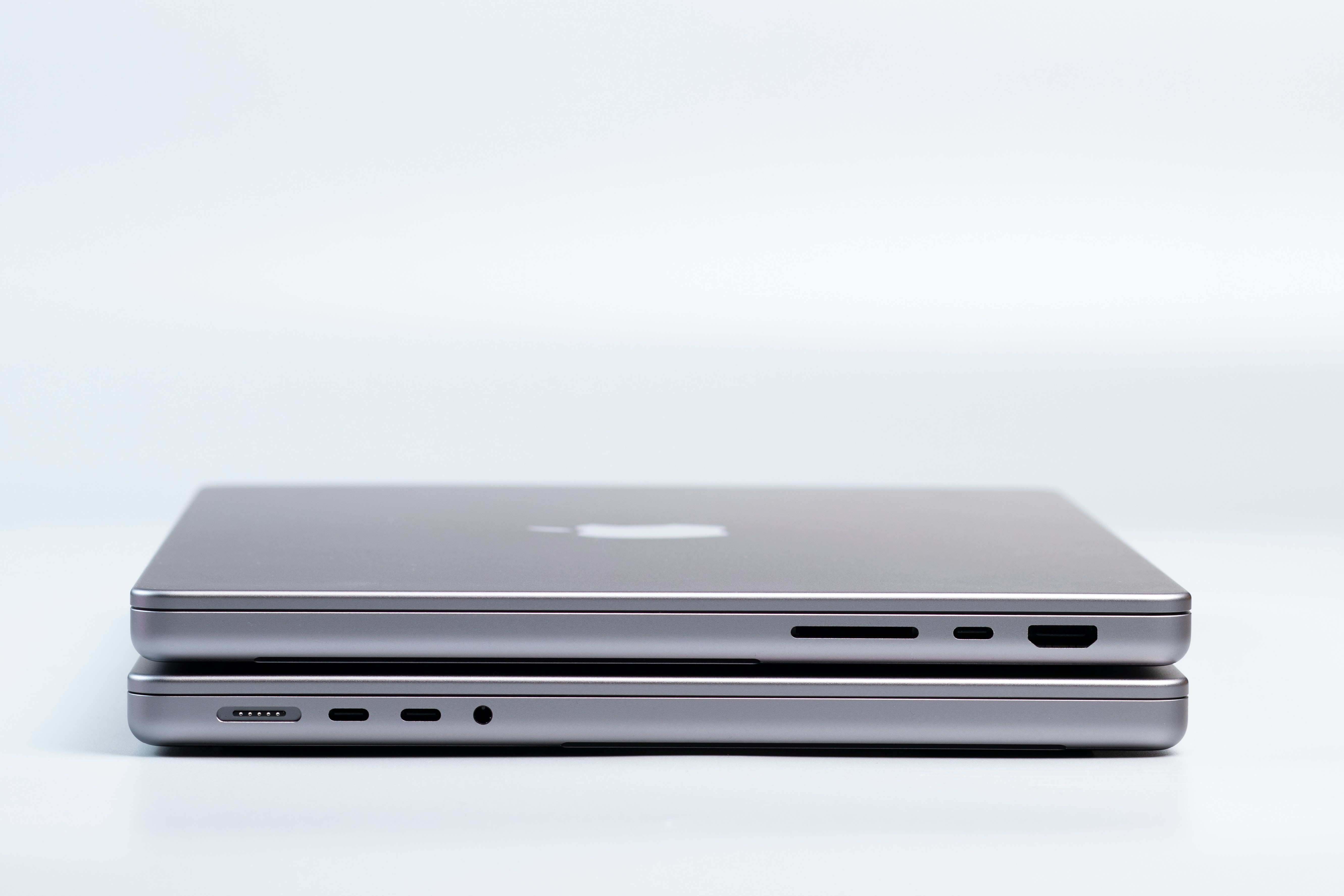
CPU and GPU performance are essential metrics that influence the computing capabilities of a laptop. The MacBook Air M3, with its innovative architecture, positions itself as a strong productivity tool, while the Dell XPS 15 boasts powerful graphics options ideal for multimedia tasks. Meanwhile, the ASUS ROG Zephyrus G14 stands out as a gaming powerhouse, designed to deliver exceptional performance under heavy loads.
Portability is another key consideration, as professionals and students alike often prioritize lightweight and sleek designs. The thermal systems employed in these laptops also merit attention, as efficient cooling can significantly impact performance and user comfort. Additionally, battery life remains a crucial factor when assessing a laptop’s practicality in daily use, particularly for on-the-go users.
In summary, this blog post will serve as a detailed guide for potential buyers by dissecting the strengths and weaknesses of each laptop within the defined criteria. By the end of this analysis, readers will have a clearer understanding of which device aligns best with their specific requirements and preferences.
CPU and GPU Performance
The performance of a laptop’s CPU and GPU is critical in determining its suitability for various tasks, from video editing to gaming. The MacBook Air M3 is powered by Apple’s latest M3 chip, which features an 8-core CPU and up to a 10-core GPU. This configuration allows the MacBook Air to deliver impressive efficient performance for everyday use and creative applications. Benchmark tests show that the M3 chip excels in single-threaded tasks, providing a snappy experience for productivity applications. It also holds up well in multi-threaded processes, making it a solid choice for programming and light video editing.
On the other hand, the Dell XPS 15 utilizes Intel’s 13th generation processors paired with NVIDIA’s GeForce RTX 4050 or 4060 GPUs, providing a robust combination of power and graphics capability. In benchmark tests, the XPS 15 shines in heavy-duty tasks such as video rendering and 3D modeling due to its dedicated graphics card, which enhances rendering times significantly compared to integrated graphics solutions. This laptop is particularly well-suited for professionals who rely on advanced graphic processing for their work.
Finally, the ASUS ROG Zephyrus G14 is designed with gaming enthusiasts in mind, featuring AMD’s Ryzen 9 processor alongside NVIDIA’s GeForce RTX 4060 GPU. This configuration not only ensures superior gaming performance but also makes the G14 a suitable option for resource-intensive applications like video editing. The benchmarks indicate that the G14 maintains high frame rates even in demanding titles and supports ray tracing, providing an immersive gaming experience. Overall, each laptop presents unique strengths in CPU and GPU performance, making the choice dependent on the specific workloads and user needs.
Portability and Design
When it comes to choosing a laptop, portability and design are pivotal factors for users who are frequently on the move. The MacBook Air M3 stands out for its exceptional lightweight design, weighing in at approximately 2.7 pounds. Its thin profile, with dimensions measuring 11.97 x 8.36 x 0.63 inches, makes it easily storable in backpacks or briefcases. The aesthetics of the MacBook Air are also noteworthy, featuring an aluminum chassis that not only enhances durability but also provides a sleek appearance.
In contrast, the Dell XPS 15, while heavier at about 4.2 pounds, offers a more substantial design that appeals to users looking for a balance between portability and performance. Its dimensions of 13.57 x 9.06 x 0.71 inches allow for a larger display and a more powerful internal setup. The build quality is exceptional, utilizing a combination of aluminum and carbon fiber, which not only contributes to its premium feel but also aids in thermal management. The XPS 15 is equipped with a near-borderless display that enhances its visual appeal, although it may compromise on portability compared to the MacBook Air.
On the other hand, the ASUS ROG Zephyrus G14, while recognized primarily as a gaming laptop, possesses commendable portability for its class. Weighing around 3.5 pounds with dimensions of 12.76 x 8.74 x 0.77 inches, it is relatively compact and easily transportable. The magnesium-aluminum alloy construction provides a robust feel without adding unnecessary weight. Its design, accentuated by customizable LED elements, caters to gamers while remaining stylish and practical for everyday use. Ergonomic considerations, such as the placement of ports and keyboard design, further enhance its overall user experience.
Thermals and Cooling Systems
When evaluating the thermal performance and cooling systems of the MacBook Air M3, Dell XPS 15, and ASUS ROG Zephyrus G14, several factors come into play. Each device employs different methodologies for managing heat in order to maintain performance and user comfort. The ability of a laptop to handle heat effectively can greatly influence its overall user experience, particularly during extended usage or demanding tasks.
Starting with the MacBook Air M3, its fanless design allows for silent operation, which is particularly appealing for users who prefer a quiet environment. The M3 chip’s efficiency, combined with the laptop’s thermal architecture, helps distribute heat evenly, limiting hotspots. Users may notice a slight increase in temperature during prolonged resource-heavy tasks, but the device effectively mitigates thermal throttling, allowing for sustained performance during most activities.
In contrast, the Dell XPS 15 incorporates a more traditional cooling system featuring dual fans. This design is advantageous during high-performance scenarios, such as gaming or video editing, where the thermal demands are significantly greater. The XPS 15 generally exhibits lower temperatures under heavy loads and maintains a quieter operation than many of its competitors, although fan noise can become noticeable at maximum capacity. The device’s ability to manage heat efficiently means users can work longer without experiencing performance dips.
Finally, the ASUS ROG Zephyrus G14 is tailored for gamers and power users, featuring an advanced cooling system with multiple heat pipes and active ventilation. This laptop performs exceptionally well under load, demonstrating effective heat dissipation that minimizes performance throttling during intense gaming sessions. While the fans can ramp up significantly, resulting in increased noise levels, the trade-off is notable performance under stress.
Overall, all three laptops present effective thermal management solutions, each tailored to different use cases. Some prioritize quiet operation, while others focus on sustained performance during intense usage scenarios. Choosing the right device depends on individual priorities regarding silence versus performance.
Battery Life Analysis
Battery life is a critical factor when evaluating laptops, particularly for users who require portability and prolonged usage without frequent charging. The MacBook Air M3, with its efficient Apple silicon architecture, offers impressive battery longevity. Under everyday usage scenarios, such as web browsing and productivity tasks, users can expect around 15 to 18 hours of battery life. For video playback, it can last approximately 20 hours, which is particularly beneficial for users who consume media on the go.
In contrast, the Dell XPS 15, while equipped with powerful hardware, typically yields a shorter battery life. When used for simple tasks like browsing and document editing, users can anticipate about 8 to 10 hours of functionality. However, during intensive activities such as video rendering or gaming, this duration decreases significantly. For instance, gaming can reduce battery life to approximately 3 to 4 hours, making it imperative for gamers to keep the charger handy when engaged in high-performance tasks.
The ASUS ROG Zephyrus G14 is designed primarily for gaming, which influences its battery performance. Users can expect around 6 to 7 hours of general usage under optimal conditions. However, similar to the Dell XPS 15, battery life suffers during gaming sessions, with the laptop lasting around 2 to 3 hours in high-intensity scenarios. This variability in performance can affect user experience, particularly for gamers or heavy multimedia users, who may need to adapt their usage habits to accommodate frequent recharging.

- The AMD Ryzen AI 9 HX 370 Processor Blends Power and Performance with Ease Armed with 12 cores and 24 threads, AMD Ryzen…
- Experience Cutting Edge Graphics With NVIDIA GeForce RTX 5080 Laptop GPU Maximize your gaming and creativity with NVIDIA…
- OLED ROG Nebula Display and NVIDIA G-SYNC Uplevel your visual experience with the Zephyrus G14’s OLED Display certified …
Ultimately, the choice of laptop will depend on individual usage needs. For consistent battery performance in general tasks, the MacBook Air M3 is a clear leader, while the XPS 15 and ROG Zephyrus G14 cater more towards power users who can manage the trade-offs associated with gaming and creative workloads.
Display Quality Comparison
When evaluating the display quality of the MacBook Air M3, Dell XPS 15, and ASUS ROG Zephyrus G14, several critical aspects must be considered, including resolution, color accuracy, brightness, and refresh rate. Each of these laptops showcases unique display technologies that cater to different user preferences and requirements.

- This pre-owned product is not Apple certified, but has been professionally inspected, tested and cleaned by Amazon-quali…
- There will be no visible cosmetic imperfections when held at an arm’s length. There will be no visible cosmetic imperfec…
- This product will have a battery which exceeds 80% capacity relative to new.
The MacBook Air M3 is equipped with a Retina display that offers a resolution of 2560 x 1664 pixels. This high pixel density results in sharp, crisp images, making it ideal for productivity tasks such as document editing and graphic design. Furthermore, Apple’s True Tone technology enhances color accuracy by adjusting the display’s temperature based on ambient lighting conditions, providing a pleasing viewing experience regardless of the environment.
In contrast, the Dell XPS 15 features a stunning 4K UHD (3840 x 2400) OLED display. With this increased resolution, the XPS 15 excels in media consumption, delivering vibrant colors and deep contrasts. The brightness levels can reach up to 500 nits, which ensures visibility even in brightly lit conditions. This model is particularly appealing to professionals in photography or video editing, where color fidelity is of utmost importance.
On the other hand, the ASUS ROG Zephyrus G14 comes with a QHD (2560 x 1600) display, offering a resolution particularly tailored for gaming and multimedia tasks. Its refresh rate of up to 120Hz allows for a smoother visual experience, especially during fast-paced action sequences. The Zephyrus G14 also boasts impressive color reproduction, showcasing up to 100% sRGB coverage, thus making it suitable for content creators who require accurate color representation.
When comparing these displays, it is clear that while each laptop has strengths in specific areas, the choice ultimately depends on the primary usage. For general productivity and portability, the MacBook Air M3 stands out. However, for those focused on high-resolution media viewing or intensive creative work, the Dell XPS 15 is an exceptional choice. Meanwhile, the ASUS ROG Zephyrus G14 offers a balanced combination of gaming and visual performance.
Pros and Cons
When deciding between the MacBook Air M3, Dell XPS 15, and ASUS ROG Zephyrus G14, evaluating the strengths and weaknesses of each device is crucial. Below are the pros and cons of each laptop to help inform your choice.
MacBook Air M3
Pros:
- Excellent battery life, lasting up to 18 hours on a single charge.
- Lightweight and portable, making it ideal for on-the-go users.
- Smooth integration with macOS software, especially for professionals in creative fields.
- This pre-owned product is not Apple certified, but has been professionally inspected, tested and cleaned by Amazon-quali…
- There will be no visible cosmetic imperfections when held at an arm’s length. There will be no visible cosmetic imperfec…
- This product will have a battery which exceeds 80% capacity relative to new.
Cons:
- Limited number of ports, which may require additional adapters for connectivity.
- Higher price point compared to similarly specced Windows options.
- Graphics performance may not satisfy avid gamers or those with heavy rendering needs.
Dell XPS 15
Pros:
- Robust performance with high-end Intel processors and dedicated graphics options.
- Stunning 4K display available, making it ideal for media consumption and professional work.
- Variety of ports, providing users with versatile connectivity options.

- Powerful Processor:13th Generation Intel i7-1355U (10 cores, 12MB cache, up to 5.00 GHz) Powerful Processor. Faster Powe…
- 15.6″ Touchscreen FHD Display: 15.6 inches oversized high -definition display, 1920 X 1080 WVA resolution, with excellen…
- High Speed RAM And Enormous Space:32 GB high-bandwidth RAM to smoothly run multiple applications and browser tabs all at…
Cons:
- Heavier and bulkier than the other options, potentially less portable.
- Battery life may not be as impressive, especially with the 4K display.
- Typically more expensive than the MacBook Air M3.
ASUS ROG Zephyrus G14
Pros:
- Powerful performance tailored for gaming and multi-tasking, with strong CPU and GPU options.
- Compact design that retains powerful specs, making it portable for gamers.
- Innovative cooling system, helping maintain performance during intensive tasks.
Cons:
- The AMD Ryzen AI 9 HX 370 Processor Blends Power and Performance with Ease Armed with 12 cores and 24 threads, AMD Ryzen…
- Experience Cutting Edge Graphics With NVIDIA GeForce RTX 5080 Laptop GPU Maximize your gaming and creativity with NVIDIA…
- OLED ROG Nebula Display and NVIDIA G-SYNC Uplevel your visual experience with the Zephyrus G14’s OLED Display certified …
- Battery life might be limited under heavy workloads.
- Design may not appeal to users seeking a professional or minimalist aesthetic.
- Fan noise can be noticeable during high-performance activities.
Considering these pros and cons will facilitate a better understanding of which laptop aligns with your specific requirements and use cases.
Frequently Asked Questions (FAQs)
As technology continues to advance, potential buyers often have a plethora of questions regarding their choices. Let’s address some common inquiries about the MacBook Air M3, Dell XPS 15, and ASUS ROG Zephyrus G14 that prospective consumers may have when considering these laptops.
1. Upgradeability: One of the primary concerns for many buyers is the degree to which they can upgrade their laptops. The MacBook Air M3 features a unified memory architecture that makes upgrades challenging, as Apple has soldered RAM that cannot be changed post-purchase. In contrast, the Dell XPS 15 offers greater flexibility, allowing users to upgrade both the RAM and storage after initial purchase. The ASUS ROG Zephyrus G14 also stands out in this regard, with user-accessible components that facilitate easy upgrades and repairs.
2. Warranty Details: Understanding warranty options is crucial for safeguarding your investment. Typically, all three laptops come with a standard one-year limited warranty. However, it is advisable to extend this coverage or opt for additional protection plans available from their respective manufacturers. Be sure to check the specifics of each manufacturer’s warranty, as they may include different terms regarding accidental damage or technical support.
3. Operating System Advantages: Each laptop has its operating system advantages. The MacBook Air M3 runs on macOS, which is favored for its user-friendly interface and seamless integration with other Apple devices. The Dell XPS 15 generally operates on Windows, offering compatibility with a wide range of software and games. The ASUS ROG Zephyrus G14 is also Windows-based, provides a powerful gaming experience, and supports numerous professional applications.
4. Use Case Scenarios: Your intended use can significantly influence your decision. The MacBook Air M3 appeals to professionals seeking a portable productivity machine, while the Dell XPS 15 is designed for those who need a balance of performance for both work and entertainment. Conversely, the ASUS ROG Zephyrus G14 is optimized for gaming enthusiasts requiring high-performance hardware for a superior gaming experience.
By answering these frequent questions, we hope to provide potential buyers with the information necessary to make informed decisions about their next laptop purchase.
Recommendations Based on User Types
When it comes to selecting the optimal laptop among the MacBook Air M3, Dell XPS 15, and ASUS ROG Zephyrus G14, user profiles play a crucial role in determining the best fit. Each category of users presents distinct requirements, and understanding these can guide individuals towards making an informed decision.
For students, budgetary constraints and portability are often of paramount importance. The MacBook Air M3 comes highly recommended due to its lightweight design, impressive battery life, and intuitive user interface. These features ensure that students can easily carry the device between classes while gaining access to an ecosystem that fosters productivity with applications like Pages and Keynote.
Professionals, particularly those in design or content creation, may find the Dell XPS 15 a more suitable choice. Its powerful hardware specifications, including dedicated graphics and high-resolution display, support demanding software such as Adobe Creative Suite. Moreover, the premium build quality and extensive connectivity options make it a reliable tool for work in various settings.
Gamers typically look for high-performance machines, and the ASUS ROG Zephyrus G14 stands out within this category. Equipped with a robust GPU and high refresh rate display, it ensures an immersive gaming experience. Coupled with a compact form factor, this laptop provides both performance and portability, making it suitable for gaming on the go.
For creatives who value color accuracy and design aesthetics, the choice between the Dell XPS 15 and the MacBook Air M3 should depend on the specific software ecosystem they prefer. The MacBook caters well to Apple-centric applications, while the Dell provides versatility for Windows-based creative software. Ultimately, the ideal laptop will hinge on an individual’s specific needs, preferences, and overall budget.
Conclusion
After an in-depth analysis of the MacBook Air M3, Dell XPS 15, and ASUS ROG Zephyrus G14, it is evident that each laptop has its own strengths and weaknesses, catering to different user needs and preferences. The MacBook Air M3 stands out for its exceptional performance, strong battery life, and user-friendly macOS, making it an excellent choice for those who prioritize portability and seamless integration with Apple’s ecosystem. Its lightweight design and impressive power make it ideal for students and professionals alike who require efficiency on the go.
Conversely, the Dell XPS 15 offers a more robust graphical performance, thanks to its dedicated GPU, which appeals to creative professionals and gamers who demand high performance for tasks such as video editing and graphic design. With a stunning display and premium build quality, the XPS 15 provides a compelling option for users seeking a high-end Windows experience.
On the other hand, the ASUS ROG Zephyrus G14 caters mainly to gamers and those needing high performance at a competitive price. Its gaming-oriented features and powerful components ensure that it can handle demanding applications with ease. The laptop also offers a good balance between portability and performance, making it suitable for gamers who may need to transport their device frequently.
Ultimately, the best laptop choice depends on individual needs. Users should carefully consider factors such as their primary use, preferred operating system, and budget before making a decision. Whether opting for the lightweight MacBook Air M3, the powerful Dell XPS 15, or the gaming-centric ASUS ROG Zephyrus G14, each of these devices stands as a significant contender in the market, promising valuable features tailored to distinct user requirements.