
Introduction
The e-reader market has undergone significant growth in recent years, reflecting the changing preferences of readers who increasingly opt for digital alternatives over traditional print formats. The convenience, portability, and accessibility of e-readers have attracted a wide audience, making them a popular choice for avid readers and casual book lovers alike. As technology continues to advance, new models enter the market, each boasting unique features aimed at enhancing the reading experience.
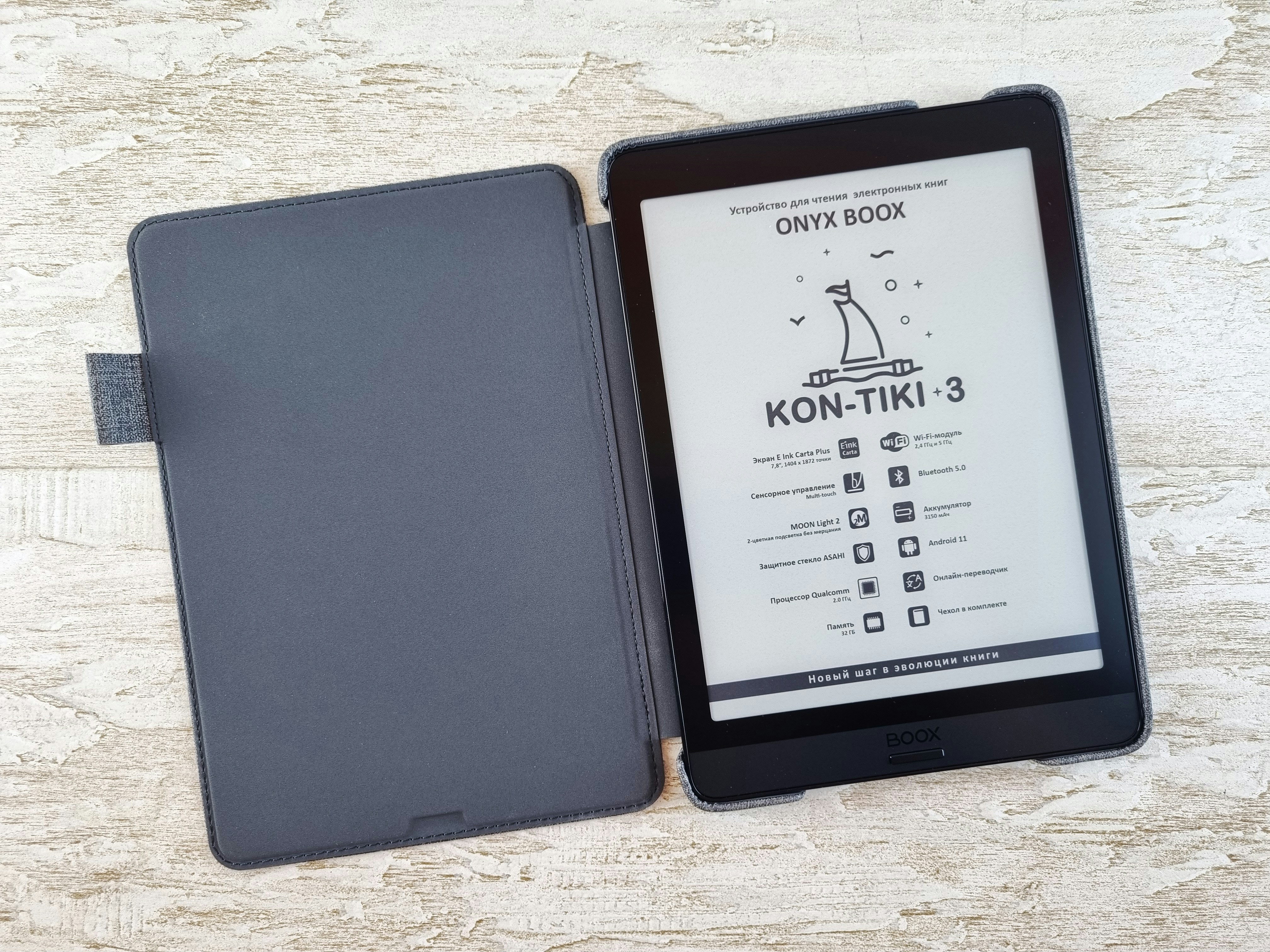
In this analytical comparison, we will closely examine two leading models—the Kindle Paperwhite and the Kobo Libra 2. These e-readers have gained considerable traction in the market, and they cater to different segments of readers. By exploring their specifications, usability, and overall performance, we aim to determine which device emerges victorious in the ongoing kindle vs kobo debate. The objective is to assist potential buyers who are searching for the best e-reader 2025 that aligns with their individual preferences.
This comparison will delve into several critical aspects, including display quality, battery life, ecosystem, and additional functionalities that could significantly influence purchasing decisions. It is our intention to provide readers with a comprehensive overview of both devices, so they can make informed choices based on their specific reading habits and technological requirements.
Screen Quality Comparison
The Kindle Paperwhite and the Kobo Libra 2 both boast exceptional screen quality, designed to enhance the reading experience. In terms of resolution, the Kindle Paperwhite features a 300 PPI display that provides sharp and crystal-clear text, making it comparable to physical books. The Kobo Libra 2 follows closely with a similar resolution, ensuring that images and text appear crisp and readable.
Brightness is another critical factor when comparing these two e-readers. The Kindle Paperwhite is equipped with an adjustable front light that allows users to customize screen brightness according to their environment. This feature is particularly useful for reading in dimly lit spaces or bright sunlight. Similarly, the Kobo Libra 2 contains a ComfortLight PRO feature, which not only allows brightness adjustment but also offers a color temperature control, enabling a warmer tone for comfortable nighttime reading.
When assessing contrast, both devices perform admirably. The high contrast ratios found in both the Kindle Paperwhite and the Kobo Libra 2 ensure that dark text stands out vividly against the background, significantly reducing eye strain over extended reading sessions. Importantly, both screens are designed to be glare-free, allowing for an uninterrupted reading experience in various lighting conditions including bright outdoor settings.
In terms of additional features, the Kobo Libra 2 includes options for customizing not only brightness but also color warmth, accommodating users who may prefer a less harsh blue light exposure at night. This is in line with current preferences for reducing eye fatigue during evening reading. As such, both e-readers present strong options for screen quality, demonstrating their commitment to enhancing reader comfort and satisfaction.
Battery Life Assessment
When evaluating the Kindle Paperwhite and the Kobo Libra 2, one of the most significant factors to consider is their battery life. E-readers are often preferred for their ability to provide a prolonged reading experience without the frequent need for recharging. The Kindle Paperwhite is reported to last up to ten weeks on a single charge, depending on individual usage patterns and settings. This remarkable longevity is often attributed to its efficient E Ink display, which consumes minimal power, especially when the screen brightness is optimized for reading conditions.
The Kobo Libra 2, on the other hand, showcases commendable battery performance as well, boasting a battery life of approximately four weeks per charge under similar usage scenarios. Factors that influence battery life for both devices include screen brightness, the duration of Wi-Fi connectivity, and the extent of usage for features like audio support or night mode. Users can enhance the efficiency of both devices by adjusting these settings to match their reading habits.
To better illustrate the comparison of battery longevity between the two models, a concise comparison chart is as follows:
Both the Kindle Paperwhite and the Kobo Libra 2 are designed with battery efficiency in mind, providing users with the convenience of extended periods of reading between charges. In essence, selecting between these two devices will depend largely on how users engage with features that impact battery performance and their individual reading habits.
File Compatibility Overview
The compatibility of file formats is a crucial aspect when evaluating e-readers, as it directly impacts user experience and content accessibility. The Kindle Paperwhite, a popular choice for many readers, primarily supports Amazon’s proprietary format, AZW, alongside other formats such as MOBI and PRC. However, the device has limited support for EPUB files, which are widely used across various platforms. Users looking to transfer EPUB files to their Kindle may need to convert them using third-party software, adding an extra step in the process.
On the other hand, the Kobo Libra 2 offers a broader range of compatibility with file formats. It supports EPUB files natively, allowing users to access a vast library of eBooks without requiring conversions. Additionally, it can read PDF, MOBI, and TXT formats, providing a flexible reading experience for users who may have content in various formats. This versatility is a considerable advantage, particularly for avid readers who prefer to source their eBooks from different platforms.
Moreover, both devices provide unique ecosystems that can affect file transfer convenience. Kindle Paperwhite users are often encouraged to purchase eBooks directly from the Amazon store, which may create an ecosystem that feels restrictive for those wishing to explore content from other sources. Conversely, Kobo’s systems are designed to be more open, allowing users to borrow eBooks from libraries and add content from a variety of online retailers and websites effortlessly, enhancing accessibility and user autonomy.
In summary, while the Kindle Paperwhite excels in its dedicated ecosystem and ease of purchasing content, the Kobo Libra 2 demonstrates superior versatility in file compatibility, supporting a wider array of formats natively. This differentiation is essential for users considering which e-reader best aligns with their reading habits and preferences.
The ecosystems of the Kindle Paperwhite and Kobo Libra 2 are distinct in their functionality and user experience, greatly impacting readers’ choices. Amazon’s Kindle ecosystem is well-established, providing users access to an extensive library of eBooks, audiobooks, and periodicals through the Kindle Store. With countless titles available, it caters to various genres and preferences, making it easier for users to find specific books. Additionally, Kindle users benefit from features such as Kindle Unlimited and Prime Reading, which allow subscribers to borrow a diverse range of books, further enriching the reading experience.
On the other hand, Kobo’s ecosystem, while not as expansive as Amazon’s, still offers a compelling alternative. The Kobo Store features a respectable collection of eBooks, and it has the unique advantage of supporting a broader range of file formats compared to Kindle. This flexibility enables users to import content from different sources, providing a more personalized reading library. Kobo also emphasizes its support for public library integration, making it straightforward for users to borrow eBooks through platforms like OverDrive and Libby. This feature is particularly appealing for users who prefer borrowing books rather than purchasing them.
However, both ecosystems come with their limitations. The Kindle Paperwhite is tightly integrated with Amazon, which means users may face restrictions when attempting to sideload content or access non-Amazon eBooks. Conversely, Kobo users might not have the same level of exclusive offers or convenience as Kindle users, especially regarding special deals or promotional eBooks. Ultimately, the choice between these two devices will depend on the individual reader’s priorities, such as whether they prioritize a vast content library or prefer the flexibility of accessing diverse book formats and borrowing options.
Pricing Breakdown
The Kindle Paperwhite and Kobo Libra 2 are two of the most prominent e-readers available today, each offering a distinctive set of features and price points. The base price of the Kindle Paperwhite typically starts around $139.99 for the standard model, while the Kobo Libra 2 is often priced at about $179.99. These base prices reflect the performance and technology housed within each device, but they do not tell the complete story.
When considering overall pricing, it’s essential to account for potential additional costs associated with either e-reader. For the Kindle Paperwhite, users may opt for a subscription to Amazon’s Kindle Unlimited service, which allows access to a vast library of e-books for a monthly fee. This service comes with its own price tag, which can add to the overall expense of owning a Kindle. Additionally, users might want to purchase protective cases, screen protectors, and other accessories that can enhance their reading experience but also increase initial and ongoing costs.
On the other hand, the Kobo Libra 2 users have access to a direct purchase model through the Kobo store, where books are generally priced similarly to Amazon’s offerings. The Kobo device also supports OverDrive integration, facilitating access to library books without any extra subscription fees, adding significant value for avid readers focused on budget-friendly reading. Accessories such as cases for the Kobo device are similarly priced to those offered for the Kindle, meaning users must consider these potential costs during the decision-making process.
In evaluating the overall value of the Kindle Paperwhite and Kobo Libra 2, one must consider how well each device justifies its price against the features and services provided. The choice ultimately hinges not only on the base price but also on individual reading habits and preferences, forming an essential part of the e-reader selection process.
Strengths of Each Device
When it comes to e-readers, both the Kindle Paperwhite and the Kobo Libra 2 have their distinct strengths that appeal to different types of readers. Below is a comprehensive outline of the advantages that each device brings to the table.
Kindle Paperwhite Strengths:
- Extensive Ecosystem: The Kindle Paperwhite benefits from Amazon’s vast ecosystem, providing easy access to millions of books, magazines, and newspapers. Its integration with Amazon services enables users to purchase and download content quickly.
- User-Friendly Interface: The intuitive interface of the Kindle Paperwhite ensures that users of all ages can navigate the device with ease. The touchscreen is responsive, making it straightforward to flip through pages and access settings.
- Superior Built-in Features: Features such as Audible support allow users to listen to audiobooks, while the adjustable warm light feature enhances reading comfort in varying lighting conditions.
- Lightweight and Portable: The Kindle Paperwhite is designed to be lightweight, which makes it comfortable to hold for long reading sessions, perfect for on-the-go reading.
Kobo Libra 2 Strengths:
- Comfortable Design: The Kobo Libra 2 features an ergonomic design, with a comfortable grip that offers a more natural reading position for extended use. The asymmetrical shape also adds a unique aesthetic appeal.
- Customization Options: The Kobo platform provides users with a high level of customization including font sizes, types, and margin settings. This personalization can significantly enhance the reading experience.
- Water-Resistant Build: With an IPX8 rating, the Kobo Libra 2 is designed to withstand immersion in water, making it an ideal choice for reading by the poolside or in the bath without worrying about damage.
- Email to Device Feature: Kobo offers a feature that allows users to send documents directly to their e-reader via email, which is particularly beneficial for users who wish to read non-purchased material.

- 𝗕𝗥𝗢𝗪𝗦𝗘 𝗔𝗡𝗗 𝗥𝗘𝗔𝗗 𝗘𝗕𝗢𝗢𝗞𝗦 𝗜𝗡 𝗙𝗨𝗟𝗟 𝗖𝗢𝗟𝗢𝗨𝗥 – Read in colour with a 6” E Ink Kaleido 3 display to enjoy eBook covers, comics, …
- 𝗡𝗢 𝗠𝗢𝗥𝗘 𝗛𝗨𝗡𝗧𝗜𝗡𝗚 𝗙𝗢𝗥 𝗛𝗜𝗚𝗛𝗟𝗜𝗚𝗛𝗧𝗘𝗥𝗦 – With multiple colours available at the touch of a finger, you can highlight your eBoo…
- 𝗬𝗢𝗨𝗥 𝗘𝗬𝗘𝗦 𝗪𝗜𝗟𝗟 𝗧𝗛𝗔𝗡𝗞 𝗬𝗢𝗨 – ComfortLight PRO automatically reduces blue light throughout the day, and you can personalize…
Both e-readers have their unique offerings that can satisfy different reading preferences and lifestyles. Understanding these strengths can guide potential buyers in choosing the right device for their needs.
Weaknesses of Each Device
When evaluating popular e-readers such as the Kindle Paperwhite and Kobo Libra 2, it is crucial to examine the weaknesses inherent in each device. These limitations can significantly influence the user experience, impacting potential buyers’ decisions.
Starting with the Kindle Paperwhite, one notable drawback is the initial learning curve associated with its user interface. While many users appreciate the intuitive design, others have reported difficulty navigating through menus and settings, especially if they are new to Amazon’s ecosystem. Additionally, despite boasting the Kindle brand’s extensive library, users seeking content outside the Amazon platform will find limited compatibility, as many EPUB formats do not function seamlessly on this device. This restriction can hinder users who prefer to source their e-books from other vendors.
On the other hand, the Kobo Libra 2 presents its share of concerns. A common issue reported by users is the device’s battery life, which, although generally reliable, does not match the longevity offered by the Kindle Paperwhite. Frequent readers may find the need to recharge more often, particularly when using features such as adjustable front lighting. Moreover, while Kobo’s bibliophile-focused features like Pocket integration are commendable, some users have noted occasional glitches with syncing content, particularly during heavy usage periods.
Moreover, the Kobo Libra 2 might not be as widely recognized as the Kindle, causing potential buyers to question the availability of customer support and replacement parts. This concern could deter individuals who prioritize extensive service networks when purchasing an e-reader.
In conclusion, both the Kindle Paperwhite and Kobo Libra 2 have distinct weaknesses that warrant consideration. Understanding these limitations can aid consumers in making a more informed choice tailored to their specific reading preferences and habits.
Conclusion and Recommendation
In evaluating the Kindle Paperwhite and Kobo Libra 2, several crucial factors come into play, highlighting the strengths and weaknesses of each device. The Kindle Paperwhite boasts an impressive display quality with its high-resolution screen that offers sharp text and images, which is particularly appealing for avid readers. Additionally, its exceptional battery life allows for extended reading sessions without frequent recharging, making it a convenient option for users who prioritize longevity.
On the other hand, the Kobo Libra 2 offers a commendable reading experience with its ComfortLight Pro technology that provides adjustable screen warmth, catering to various lighting conditions. Furthermore, the Kobo ecosystem supports a wider variety of file formats, allowing users to access a broader selection of literature, including EPUB, which is often preferred by independent authors and publishers. However, it is essential to note the ecosystem limitation associated with Kindle’s closed system, which restricts the compatibility of non-Amazon content.
When considering pricing, both e-readers are positioned competitively within the market. While the Kindle Paperwhite typically offers a lower entry price, the Kobo Libra 2 presents persuasive value for users who aim for flexibility in file compatibility and a customizable reading experience.
Ultimately, the choice between the Kindle Paperwhite and the Kobo Libra 2 will hinge upon individual reading preferences. For those deeply integrated into the Amazon ecosystem or seeking a reliable and user-friendly platform, the Kindle Paperwhite stands out as the preferable option. Conversely, readers who desire more than just mainstream publications and appreciate versatility in file formats may find the Kobo Libra 2 to be more aligned with their needs. Both e-readers carry their unique benefits, making them suitable choices based on differing reader profiles.