
Introduction
The ultrabook market has seen significant advancements in recent years, with manufacturers striving to create devices that blend performance, portability, and elegance. Two contenders that have emerged and garnered attention in this realm are the MacBook Air M2 and the Dell XPS 13 Plus. Each laptop boasts a unique set of features tailored to meet the diverse needs of users ranging from professionals to students.
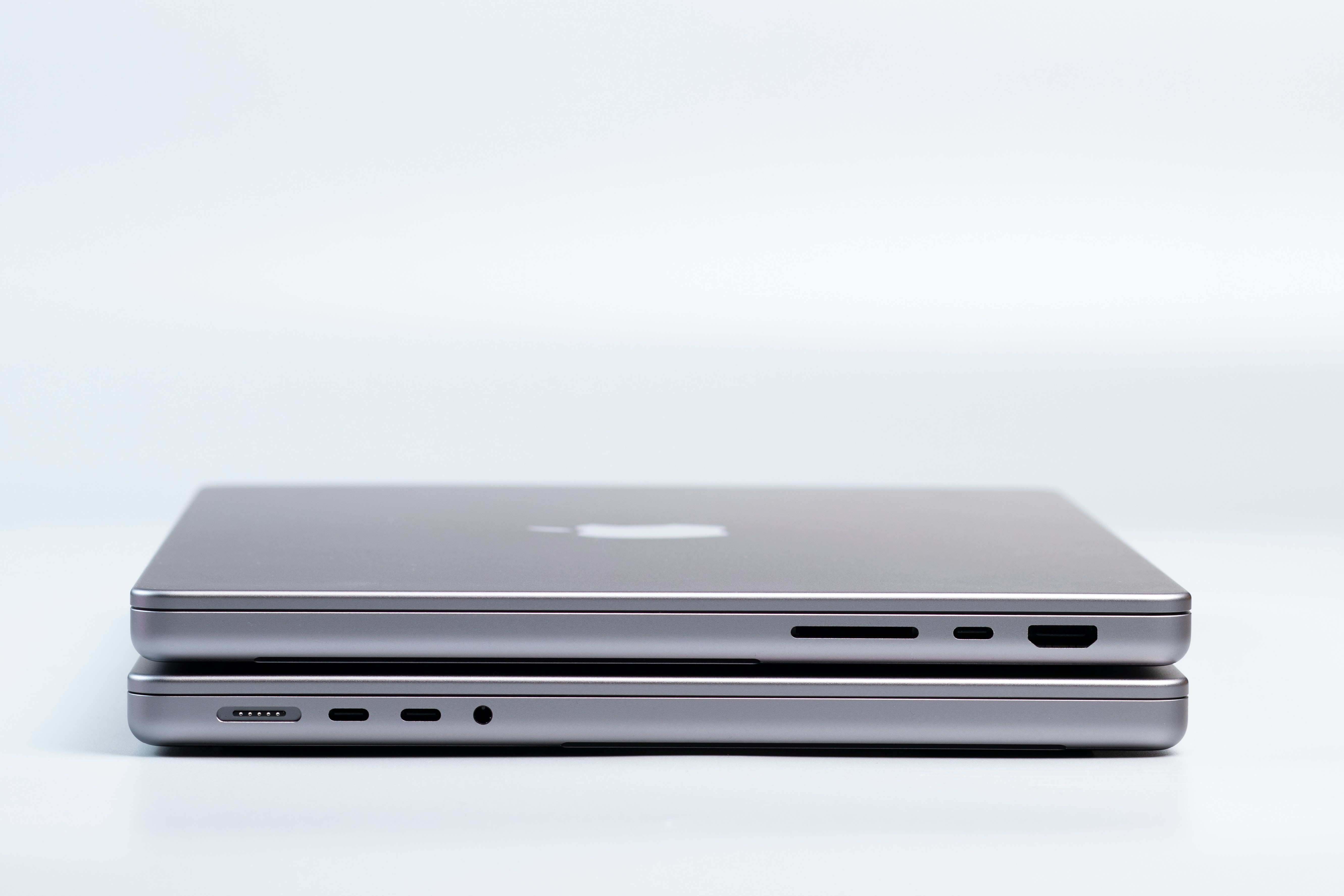
The MacBook Air M2, powered by Apple’s latest M2 chip, has set a new benchmark for efficiency and performance in a sleek design. It draws upon Apple’s commitment to creating high-performance computing devices with a focus on battery life and a seamless user experience. On the other hand, the Dell XPS 13 Plus showcases Dell’s innovation and design prowess, offering a stunning edge-to-edge display and a compact form factor, combining aesthetics with advanced features.
In this comprehensive comparison, we will delve into critical aspects of these two devices. Performance is one of the focal points, as both laptops have been optimized for speed and multitasking capabilities. Battery life is another crucial factor; with many users needing reliable longevity for on-the-go usage, we will assess how each model fares during real-world applications. Additionally, display quality, an essential attribute for any ultrabook, will be analyzed to determine which device offers superior visual experiences.
Portability plays a significant role in the choice of an ultrabook, particularly for frequent travelers. We will also review the pricing strategies of both models, considering their respective features and how they relate to market expectations. Finally, we will explore user experience, analyzing feedback and reviews to provide insight into how well these laptops meet user demands. Together, this comparison aims to clarify which ultrabook may better suit various needs and preferences in 2026.
Performance Analysis
When comparing the MacBook Air M2 and the Dell XPS 13 Plus, the performance capabilities of both devices are pivotal. The MacBook Air is equipped with Apple’s M2 chip, which has proven to be a considerable advancement over its predecessor, offering improved processing power and efficiency. Built on a 5nm architecture, the M2 chip features an 8-core CPU and a 10-core GPU, delivering significant gains in both single-threaded and multi-threaded performance. Benchmarks indicate that the M2 achieves around 18% faster CPU performance and up to 35% increased graphics performance compared to the M1 chip, making it highly suitable for graphic design and video editing tasks.
In contrast, the Dell XPS 13 Plus, which can be configured with Intel’s latest Alder Lake processors, also presents compelling performance metrics. Depending on the configuration, users can opt for i5 or i7 CPUs, paired with integrated Intel Iris Xe Graphics. Benchmark tests reveal that the i7 variant of the XPS 13 Plus performs admirably in processing tasks, but it may lag behind the M2 chip in graphics-intensive workloads, such as gaming and 3D modeling. The integrated graphics solution excels in scenarios that require moderate graphical output, making it suitable for everyday productivity tasks.
Both laptops are designed for a variety of user needs; however, the M2 chip in the MacBook Air stands out for users who require exceptional performance in creative applications. On the other hand, while the Dell XPS 13 Plus is efficient for daily tasks and light multimedia use, it may not deliver the same level of performance in more demanding scenarios compared to its Apple counterpart. Ultimately, the choice between these two laptops should consider the user’s primary use case, whether it is intensive graphic design, casual gaming, or standard productivity applications.
Battery Life Comparison
When evaluating the battery life of the MacBook Air M2 and the Dell XPS 13 Plus, it is essential to consider various real-world usage scenarios to understand their performance under different conditions. The MacBook Air M2 is reputed for its exceptional power efficiency, often translating to longer battery life compared to many competitors in its class. Users have reported that under light workloads, such as web browsing and word processing, the MacBook Air M2 can last around 15 to 18 hours on a single charge. This longevity makes it suitable for students and professionals who work on the go.
Conversely, the Dell XPS 13 Plus also offers commendable battery performance. Under similar light workloads, users have noted battery life ranging from 14 to 16 hours, depending on the specific configurations and settings used. While the XPS 13 Plus may slightly lag behind the MacBook Air M2 in terms of total runtime, it still provides a robust option for those requiring enough power for all-day use.
However, both laptops exhibit different performance levels under heavy loads. When engaging in intensive tasks such as video editing or gaming, the battery life of the MacBook Air M2 drops to approximately 8 to 10 hours, showcasing its ability to sustain performance without excessive power drain. On the other hand, the Dell XPS 13 Plus demonstrates a similar reduction in battery life under heavy use, effectively averaging around 7 to 9 hours. Since both models support fast charging, the MacBook Air typically charges to 50% in about 30 minutes, while the Dell model requires a similar duration to reach a comparable charge level.
Display Quality Assessment
The display quality of a laptop is paramount, especially for users engaged in media consumption or professional work. The MacBook Air M2 is equipped with a 13.6-inch Liquid Retina display, offering a resolution of 2560 x 1664 pixels. This high pixel density translates to sharp images and text, making it ideal for graphic design and other color-critical tasks. Additionally, this display boasts P3 wide color support, allowing for vibrant and accurate color reproduction.
On the other hand, the Dell XPS 13 Plus features a 13.4-inch InfinityEdge touchscreen with a resolution of up to 3840 x 2400 pixels, presenting an even sharper visual result. This OLED option not only enhances clarity but also contributes to deeper blacks and more vivid colors, elevating the experience for users who may prioritize video streaming or photo editing. The high brightness levels, reaching around 500 nits, further ensure that the display remains usable even in bright environments.
When examining color accuracy, both laptops perform admirably but have distinct offering based on technology. The XPS 13 Plus, with its OLED capability, provides a contrast ratio that favors cinematic viewing experiences, while the MacBook Air M2 excels in color precision, with an emphasis on professional projects that require exact color matching. Overall, users engaging in tasks such as video editing, graphic design, or high-definition media consumption will find both displays accommodating, albeit catering to slightly different needs.
Ultimately, the choice between the MacBook Air M2 and the Dell XPS 13 Plus comes down to user preference regarding display technologies, whether one prioritizes standard performance or edge-on visuals provided by OLED screens. Both devices ensure a high-quality visual experience, suited for different types of workflows and leisure activities.
Portability Factors
When evaluating the portability of the MacBook Air M2 and the Dell XPS 13 Plus, several key factors come into play, including weight, dimensions, and overall design. Both laptops are designed with portability in mind, appealing particularly to users who require lightweight and easily manageable devices for travel or commuting.
The MacBook Air M2 weighs in at approximately 2.7 pounds (1.24 kg), making it a highly portable option for users who often find themselves on the move. Its dimensions measure around 11.97 x 8.36 x 0.44 inches, allowing it to fit easily into most backpacks and laptop sleeves. In addition to its lightweight design, the MacBook Air features a sleek aluminum chassis, giving it a premium feel while also contributing to its durability.

- SPEED OF LIGHTNESS — MacBook Air with the M4 chip lets you blaze through work and play. With Apple Intelligence,* up to …
- SUPERCHARGED BY M4 — The Apple M4 chip brings even more speed and fluidity to everything you do, like working between mu…
- BUILT FOR APPLE INTELLIGENCE — Apple Intelligence is the personal intelligence system that helps you write, express your…
On the other hand, the Dell XPS 13 Plus weighs around 2.77 pounds (1.25 kg) and boasts dimensions of 11.6 x 7.8 x 0.6 inches. While slightly heavier than its MacBook counterpart, the XPS 13 Plus is still remarkably portable. Its carbon fiber and aluminum construction results in a stylish and sturdy design that not only enhances aesthetics but also ensures longevity. This model removed traditional function keys for a more minimalist approach that reduces clutter without sacrificing functionality.
The design choices of both laptops, such as bezel size and keyboard layout, also contribute to their portability. The near-borderless display of the XPS 13 Plus allows for a compact footprint, maximizing screen real estate without adding excessive weight. Meanwhile, the MacBook Air’s thin profile and lightweight components support easy transportation. Ultimately, both portable devices cater to users ranging from students to business professionals, providing them with efficient options that balance performance and functionality while on the go.

- THIN & DURABLE DESIGN — Weighing only 2.70 lbs, the Dell XPS 9350 Laptop combines a slim, lightweight design with robust…
- POWERFUL PERFORMANCE — Features the Intel Core Ultra 5 226V Processor (8 cores, up to 4.5 GHz) with 40 TOPS NPU and Inte…
- COPILOT+ PC AI POWERHOUSE — The dedicated NPU delivers 40 TOPS for local AI processing without relying on the cloud. Ena…
Price and Value for Money
The pricing landscape for laptops can vary greatly depending on their specifications, brand, and features. When comparing the MacBook Air M2 to the Dell XPS 13 Plus, potential buyers will find distinct differences in pricing frameworks that may influence their purchasing decisions.
The base model of the MacBook Air M2 starts at approximately $999. This configuration typically includes 8GB of RAM and a 256GB SSD, which is suitable for general tasks like web browsing, document editing, and streaming. Moreover, Apple offers multiple upgrade options, such as increasing the RAM to 16GB or opting for a larger SSD, which can raise the price significantly, sometimes exceeding $2,000 depending on the configuration chosen. Apple’s warranty policies are generally regarded as comprehensive, offering one year of hardware coverage and up to 90 days of complimentary technical support, which can add value to the purchase.
Conversely, the Dell XPS 13 Plus begins at around $1,199, which situates it as a more premium option at the entry-level. This model also starts with 8GB of RAM and 256GB of SSD storage, mirroring the base specifications of the MacBook Air M2. However, its higher starting cost is often attributed to advanced features like the edge-to-edge display and more powerful performance capabilities. Dell provides a similar range of upgrades, allowing users to customize their configurations, but prices can escalate quickly, sometimes nearing or surpassing the $2,000 mark for high-end models. Dell offers a standard one-year warranty, with options for extended service plans that add another layer of assurance.
In terms of overall value proposition, both laptops offer competitive pricing that reflects their Brand and technological advancements. Consumers might find the MacBook Air M2 provides better optimization in battery life and user experience, while the Dell XPS 13 Plus excels in display technology and performance flexibility. Thus, the ultimate choice may depend on individual preferences and specific usage requirements.
Pros and Cons
In assessing the MacBook Air M2 and Dell XPS 13 Plus, potential buyers should weigh the advantages and disadvantages of each laptop to make an informed decision.
MacBook Air M2 Pros:
- Performance: The M2 chip offers significant improvements in processing speed and graphics performance, making it suitable for demanding applications and multitasking.
- Battery Life: Users can expect impressive battery longevity, with up to 18 hours on a single charge, enhancing productivity on the go.
- Build Quality: The aluminum chassis provides a premium feel, coupled with a lightweight design that facilitates portability.
- macOS Ecosystem: Offers seamless integration with other Apple devices, benefitting users who are already invested in the Apple ecosystem.

- SPEED OF LIGHTNESS — MacBook Air with the M4 chip lets you blaze through work and play. With Apple Intelligence,* up to …
- SUPERCHARGED BY M4 — The Apple M4 chip brings even more speed and fluidity to everything you do, like working between mu…
- BUILT FOR APPLE INTELLIGENCE — Apple Intelligence is the personal intelligence system that helps you write, express your…
MacBook Air M2 Cons:
- Price: Generally, MacBook Air models are considered premium products with a higher price point compared to many competitors.
- Upgrade Limitations: RAM and storage upgrades are not user-serviceable, which can limit flexibility for users needing more power down the line.
- Ports: Limited in terms of connectivity options, featuring only USB-C ports which may necessitate additional adapters.
Dell XPS 13 Plus Pros:
- Display Quality: The high-resolution InfinityEdge display offers exceptional color accuracy and brightness, ideal for multimedia tasks.
- Customization Options: Dell provides a wider range of specifications, allowing users to tailor their machine to their specific requirements.
- Versatile Ports: With multiple USB-C ports and a headphone jack, the Dell XPS 13 Plus supports a variety of peripherals.

- ✨【 PROCESSOR 】Intel 10th Generation Core i7-10710U 1.10GHz, High Performance Processor.
- ✨【ABOUT THIS ITEM】13.3″ FHD (1920 x 1080) Non-Touch Screen, Thunderbolt, Web Camera.
- ✨【SPECIFICATIONS】16 GB DDR4 Ram, 256GB NVMe Solid State Drive (SSD) For very Fast Performance and boot within seconds.
Dell XPS 13 Plus Cons:
- Battery Life: Compared to the MacBook Air M2, battery longevity is usually less impressive, which might be a concern for frequent travelers.
- Weight: While portable, its slightly heavier design may be less appealing for users prioritizing ultra-lightweight models.
- Heating Issues: Some users report thermal throttling during intensive tasks, which can hinder performance at times.
Understanding these pros and cons will assist potential buyers in determining which laptop better suits their needs and preferences for 2026.
User Experience Insights
The user experience of a laptop is critical in determining its suitability for various tasks and day-to-day usability. Both the MacBook Air M2 and the Dell XPS 13 Plus have garnered attention for their performance, design, and overall user satisfaction. According to user reviews, the MacBook Air M2 is often praised for its seamless integration with the Apple ecosystem. Users have highlighted how effortlessly they can transition between devices like the iPhone and iPad, aided by features such as AirDrop and Handoff. The M2 chip also receives commendations for delivering impressive performance, making multitasking smooth and enabling resource-heavy applications to run efficiently.
On the other hand, the Dell XPS 13 Plus has garnered a loyal following due to its Windows operating system and versatility. Users enjoying a Windows environment often appreciate the customizable interface and range of software available, from productivity tools to creative applications. The XPS model features a stunning InfinityEdge display, which has been a focal point in user discussions, with many noting its vibrant color accuracy and sharp resolution. Furthermore, Dell’s attention to detail in design has resonated with users, as they enjoy both the aesthetic appeal and the comfortable keyboard experience. However, some users have reported concerns regarding the cooling system, stating that under heavy load, the laptop may run hotter than expected.
Comparatively, while the MacBook Air M2 is lauded for its battery life, with many users reporting up to 18 hours of use, the XPS 13 Plus tends to offer shorter durations, often cited around 10 to 12 hours based on similar usage patterns. Additionally, feedback from everyday users indicates a notable difference in software compatibility, where macOS users may find certain applications less available than their Windows counterparts. These user experiences highlight the significant distinctions in functionality and everyday use between the two models, ultimately catering to different preferences and operational needs.
Conclusion and Buying Recommendations
Upon evaluating the MacBook Air M2 and the Dell XPS 13 Plus, it is evident that both ultrabooks cater to different user requirements with their unique sets of strengths. The MacBook Air M2 stands out for its seamless integration within the Apple ecosystem, offering superior performance in creative tasks alongside impressive battery life. It is particularly well-suited for individuals heavily engaged in graphic design, video editing, or software development due to its powerful M2 chip, which enhances productivity and efficiency.
On the other hand, the Dell XPS 13 Plus offers a sleek design, vibrant display, and excellent keyboard experience, making it a prime choice for professionals who prioritize portability and aesthetics. Its Windows operating system provides flexibility for a diverse range of software applications, appealing to users who prefer a versatile computing environment. The XPS 13 Plus is ideal for business professionals and students who often work on the go and require a reliable, lightweight laptop.
When considering factors such as budget, both laptops fall within a similar price range, but users should assess their specific needs against the offerings. For those who require a robust performance that is seamlessly integrated with design software and mobile devices, the MacBook Air M2 is a compelling choice. Conversely, the Dell XPS 13 Plus provides a balanced experience for everyday use and productivity, catering well to general users who may not require high-end specifications.
In 2026, the landscape of ultrabooks is expected to continue evolving, with manufacturers focusing on enhancing performance, energy efficiency, and user experience. Each model brings something unique to the table; thus, buyers should determine which features align most closely with their lifestyle and professional needs to make an informed decision.