
Introduction
The landscape of laptops for 2026 is continually evolving, driven by rapid advancements in technology and the specific requirements of users across various fields. As laptops become increasingly essential tools for students, professionals, and creative individuals, their capabilities must keep pace with the demands of modern life. This blog post will provide an in-depth comparison of three of the most popular laptop options in this competitive market: the MacBook Pro, Dell XPS, and Lenovo ThinkPad.
Today, users prioritize performance, portability, and design when selecting a laptop, seeking devices that seamlessly integrate into their busy lifestyles. The MacBook Pro is renowned for its sleek aesthetics and robust performance, often favored by creative professionals for its exceptional display and top-tier software compatibility. Conversely, the Dell XPS series is celebrated for its high-resolution screens and leading-edge features, making it a popular choice among both professionals and general users who value versatility and power.
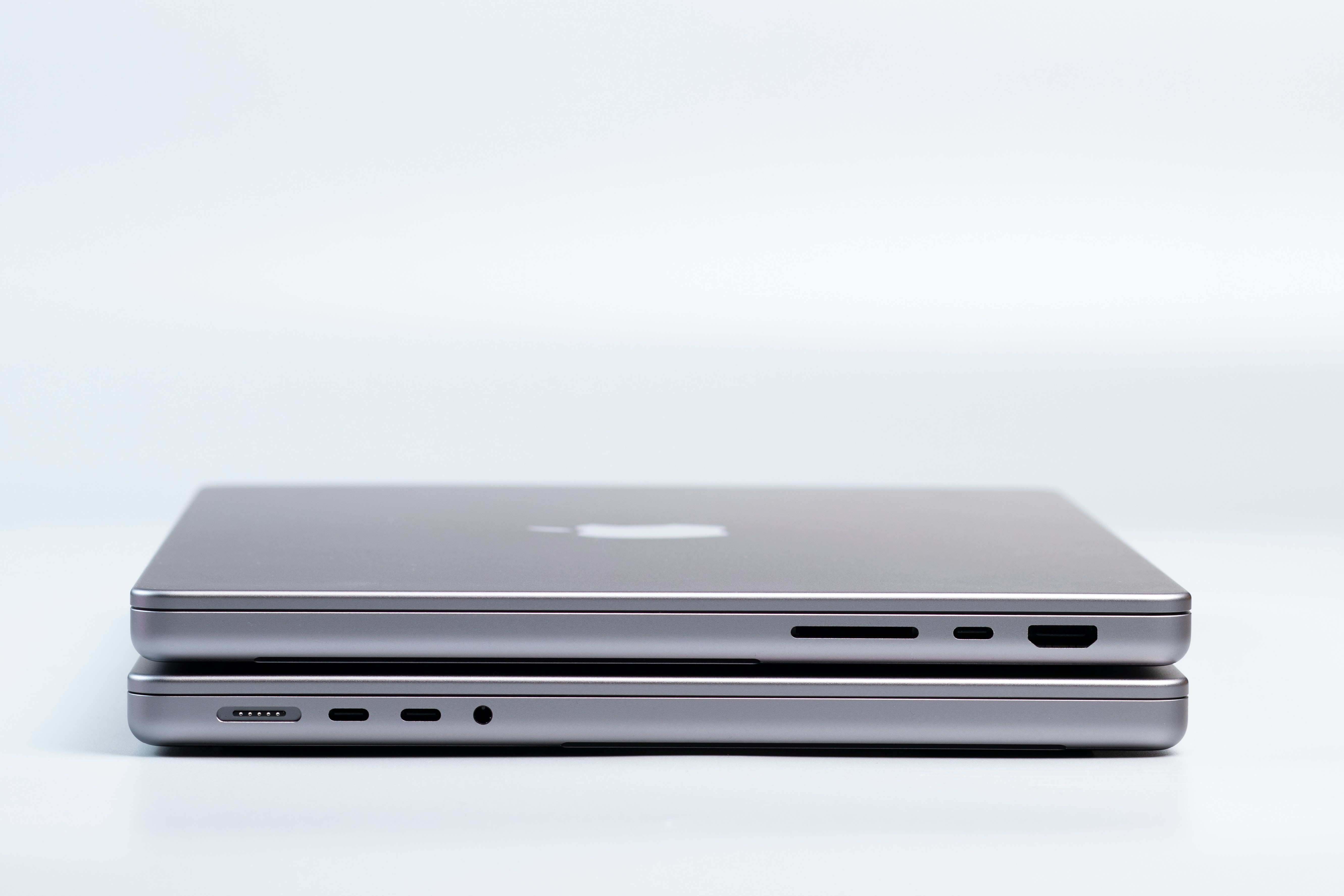
On the other hand, the Lenovo ThinkPad stands out for its legendary keyboard comfort and durability, appealing to business professionals who require a reliable partner for extensive typing and productivity tasks. Each of these laptops offers unique advantages tailored to different user needs, thus compelling prospective buyers to consider their specific requirements before making a decision.
This guide aims to present a detailed analysis of the MacBook Pro, Dell XPS, and Lenovo ThinkPad, examining their specifications, performance, and overall value. By comparing these leading models, we hope to equip readers with the information needed to make an informed choice in this dynamic and competitive market. As we delve deeper into each laptop’s features, users will gain clarity on which device best suits their individual needs and preferences.
Overview of Key Features
When evaluating the top laptops for 2026, particularly the MacBook Pro, Dell XPS, and Lenovo ThinkPad, several key features come into play that cater to varying user needs. These features include processing power, RAM, storage, display quality, portability, battery life, design, build quality, software compatibility, and price-to-performance ratio, each contributing significantly to the overall user experience.

- This pre-owned product is not Apple certified, but has been professionally inspected, tested and cleaned by Amazon-quali…
- There will be no visible cosmetic imperfections when held at an arm’s length. There will be no visible cosmetic imperfec…
- This product will have a battery which exceeds 80% capacity relative to new.
Processing power is crucial for users who perform intensive tasks, such as graphic design or software development, as it directly impacts the laptop’s ability to handle demanding software smoothly. Coupled with adequate RAM, which is essential for multitasking, these two components form the backbone of a laptop’s performance. For average everyday users, 8GB to 16GB of RAM will generally suffice, while professionals might benefit from laptops sporting 32GB or more.
Storage options have evolved, with SSDs (Solid State Drives) now commonplace due to their faster read/write speeds compared to traditional HDDs. A faster storage solution reduces loading times and enhances the overall workflow, a vital consideration for content creators or anyone who frequently handles large files.
The quality of a laptop’s display can make a significant difference, especially for those in creative fields. High-resolution screens, such as 4K displays, provide better color accuracy and detail, aiding in professional tasks like photo editing. Furthermore, portability and battery life are of utmost importance for users who are frequently on the move; lighter models with longer battery life allow for greater flexibility without the constant need to recharge.
Design and build quality also impact a laptop’s longevity and aesthetic appeal. Users often prefer well-designed laptops that reflect a sense of professionalism and durability. Finally, software compatibility is a key consideration for those who rely on specific applications, and the price-to-performance ratio is essential for making informed purchasing decisions, ensuring that users get the best value for their investment.
Processing Power: Performance Analysis
When choosing a laptop, processing power is a critical factor, especially for students and professionals who rely on efficient multitasking, gaming, or running demanding software applications. In this analysis, we explore the CPU performance of three leading models in the current market: the MacBook Pro, Dell XPS, and Lenovo ThinkPad. Each of these laptops features state-of-the-art processors designed to deliver optimal performance, albeit with unique attributes.
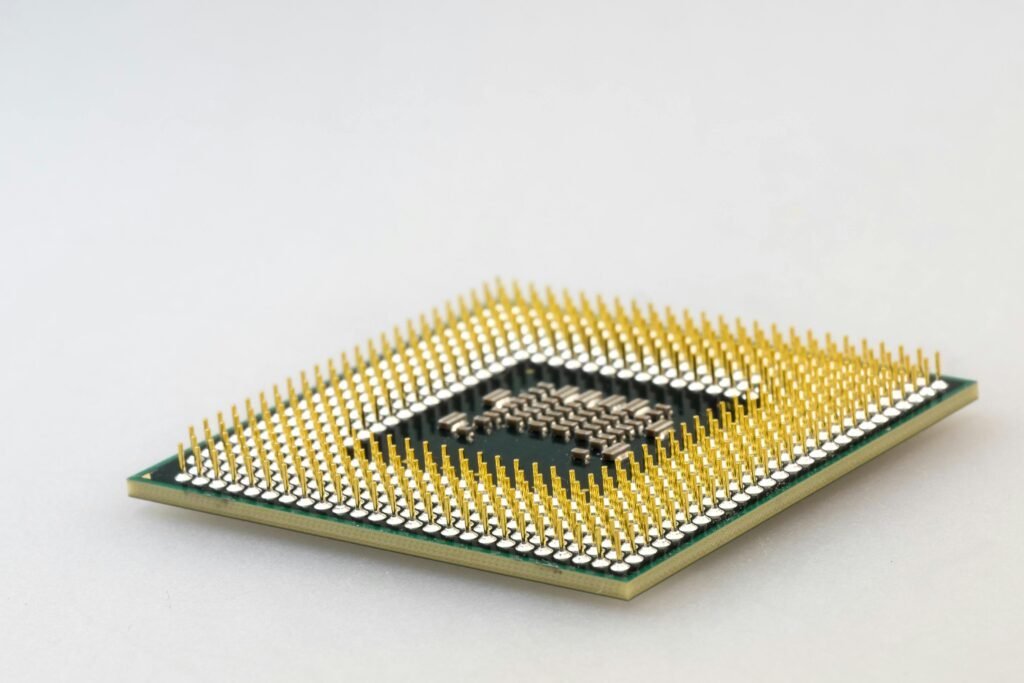
The MacBook Pro is powered by Apple’s M-series chips, specifically the M2 Pro and M2 Max variants, which are renowned for their impressive efficiency and robust processing capabilities. These chips boast a high number of cores that not only enhance multitasking but also support demanding applications such as video editing and graphic design. Apple’s architecture ensures that the CPU communicates effectively with the GPU, resulting in smooth performance across various tasks.
On the other hand, the Dell XPS utilizes the latest Intel Core i7 and i9 processors, providing high clock speeds and an efficient thermal design that aids in multitasking and performance during intensive use. These processors are well-suited for gaming and high-end productivity tasks, thanks to their strong single-threaded performance and superior capabilities in handling multiple threads simultaneously.
In contrast, the Lenovo ThinkPad series offers options featuring AMD’s latest Ryzen processors, setting a competitive stage in terms of value and performance. The Ryzen 7 and 9 CPUs enable a balanced approach, excelling in both gaming and professional applications, with power-efficient operations that benefit battery life without compromising speed.
Performance benchmarks reveal that while the MacBook Pro excels in creative tasks, the Dell XPS offers superior gaming capabilities, and the ThinkPad stands out for affordability without sacrificing power. For users prioritizing processing power, each model presents a compelling choice based on their specific needs and use cases.
RAM and Storage: Speed and Capacity
When evaluating the top laptops for 2026—namely the MacBook Pro, Dell XPS, and Lenovo ThinkPad—understanding the specifications of RAM and storage is crucial. Both of these components directly influence the speed of applications and the overall performance of the machine. As technology evolves, the requirements for speed and capacity have significantly changed, making it necessary for consumers to prioritize these features based on their individual needs.
The MacBook Pro typically offers options for RAM ranging from 16GB to 64GB, with a focus on efficiency for creative professionals and power users who run multiple high-demand applications simultaneously. Its integration of Unified Memory allows for faster data access between the CPU and GPU, enhancing application fluidity and load times. When working with large media files or extensive software, high RAM capacity becomes essential for smooth multitasking.
On the other hand, the Dell XPS line boasts a similar RAM range, often starting from 8GB and expanding to 32GB or more, catering to a variety of user needs from daily tasks to advanced programming and graphic design. The storage options are also competitive, with configurations offering fast SSDs ranging from 256GB to 2TB, promoting not just speed in boot times but also efficient access to applications and files.
The Lenovo ThinkPad, renowned for its solid performance in business environments, provides RAM that ranges from 8GB to 32GB and above. The storage solutions often include robust SSD options, crucial for handling heavy workloads and protecting data integrity, particularly in enterprise settings. Choosing the right RAM and storage will depend largely on user priorities; whether it is intensive software development, creative work, or general office use, users should consider their specific tasks to optimize their machine’s capabilities.
Display Quality: Visual Experience
The display quality of a laptop plays a crucial role in the overall user experience, especially for creative professionals, gamers, and everyday users who engage in diverse tasks. In comparing the MacBook Pro, Dell XPS, and Lenovo ThinkPad, one must consider factors such as resolution, color accuracy, brightness, and panel types to understand how each device caters to different visual needs.
Starting with resolution, the MacBook Pro typically features a Retina display with high pixel density, delivering sharp images and text. This is particularly advantageous for graphic designers and video editors, as the clarity enables accurate detail work. On the other hand, the Dell XPS series often incorporates 4K Ultra HD options, providing even greater resolution for immersive entertainment and precise editing. The Lenovo ThinkPad, while not always equipped with 4K screens, offers full HD displays that suffice for general business applications and occasional media consumption.

- Powerful Processor: Equipped with the latest Intel Core Ultra 7 155H processor for seamless multitasking and productivit…
- Advanced Graphics: Features NVIDIA GeForce RTX 4050 for high-performance gaming, creative tasks, and AI workloads.
- Smooth Display: 16.3″ WUXGA (1920 x 1200) display provides crisp visuals with a taller 16:10 aspect ratio ideal for work…
Color accuracy is another essential aspect. The MacBook Pro stands out with its P3 wide color gamut, ensuring vibrant and true-to-life visuals that professionals in photography and design heavily rely on. Comparatively, the Dell XPS 13 model boasts impressive color calibration that appeals to creative users looking for reliable reproduction of colors. Lenovo’s ThinkPad series, while primarily targeted towards business users, also provides decent color performance, though it may not reach the high standards set by its competitors.
Brightness levels impact usability in various environments. The MacBook Pro often achieves high brightness levels that enhance usability in outdoor settings. Similarly, the Dell XPS features high brightness settings, making it suitable for viewing in bright spaces. The ThinkPad, primarily designed for indoor use, typically exhibits adequate brightness, making it reliable for office tasks but less capable in direct sunlight.
In conclusion, each laptop offers distinct advantages in display quality, catering to varied user needs from professional creatives to casual users. Understanding these specifications is vital in choosing the right device based on individual requirements.
Portability and Battery Life: On-the-Go Usability
The significance of portability in the modern workplace cannot be overstated, especially for professionals and students who frequently travel. When comparing the MacBook Pro, Dell XPS, and Lenovo ThinkPad, mobility factors such as weight, dimensions, and battery life become essential criteria for choosing the most suitable laptop.
The MacBook Pro stands out in this category, thanks to its sleek design and lightweight construction. Weighing approximately 3.0 pounds and measuring just 0.61 inches in thickness, it is easy to slip into a backpack or briefcase, making it an ideal choice for those on the move. Additionally, the MacBook Pro boasts an impressive battery life, with up to 20 hours on a single charge, allowing users to work uninterrupted throughout the day.
The Dell XPS series also excels in portability, with most models weighing around 2.7 to 4.5 pounds and offering a compact profile. Furthermore, the battery life ranges from 12 to 18 hours, depending on the usage and configuration. This makes the Dell XPS a strong contender for business professionals who require a reliable device for extended periods away from charging stations.
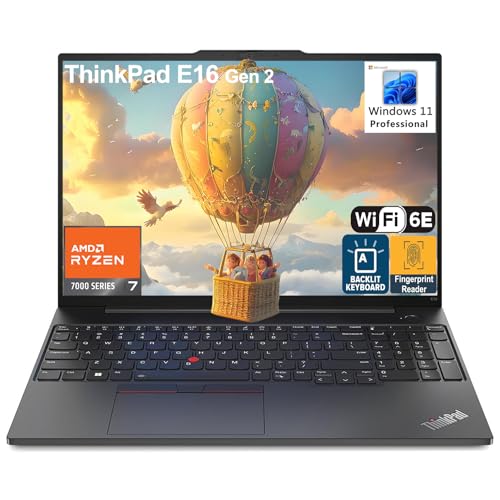


On the other hand, the Lenovo ThinkPad, though slightly bulkier, still presents a reliable option for portability. Weighing around 3.2 to 4.0 pounds and ranging in thickness from 0.6 to 0.8 inches, it provides a sturdy build without sacrificing significant weight. Battery performance is commendable, with the ThinkPad lasting between 8 to 15 hours on average, depending on the specific model and application usage. This duration remains competitive for users who may need to rely on their device during long flights or meetings.
In essence, while all three laptops offer essential features that cater to portability and battery life, the choice largely depends on individual needs and priorities. As the work landscape evolves, having a lightweight, long-lasting device can significantly enhance productivity and usability for professionals and students alike.
Design and Build Quality: Aesthetic and Durability
When comparing the MacBook Pro, Dell XPS, and Lenovo ThinkPad, it becomes evident that design and build quality play a crucial role in user preference and overall satisfaction. Each brand has a distinct approach to aesthetics, material selection, and ergonomics, catering to different audiences.
The MacBook Pro stands out with its sleek aluminum chassis that not only enhances its premium look but also contributes to its durability. The craftsmanship reflects Apple’s commitment to a minimalist design, offering a unified surface that is both elegant and sturdy. Its Retina display further complements the aesthetics, providing vibrant colors and sharp contrast that appeals to creative professionals.
On the other hand, the Dell XPS line exhibits a modern design with its carbon fiber palm rest and aluminum body. This combination offers a sophisticated appearance while ensuring the laptop remains lightweight yet robust enough for daily wear and tear. The edge-to-edge display maximizes screen space, which not only enhances the laptop’s visual appeal but also improves the user experience by providing more screen real estate.
Lenovo ThinkPad adopts a more utilitarian approach. Characterized by its black matte finish and iconic keyboard, the ThinkPad series is engineered for functionality. Made from high-quality materials, including magnesium alloy and carbon fiber, the ThinkPad is designed to endure rigorous use. Furthermore, the spill-resistant keyboard and overall robust build make it a favorite among business professionals who value reliability over aesthetic flair.
In terms of ergonomics, all three laptops feature well-designed keyboards, ensuring comfortable typing experiences. However, the ThinkPad is often lauded for its superior keyboard layout, which is vital for users engaged in extensive typing tasks. This aspect, alongside the durability of the materials used, highlights the importance of balancing aesthetics and build quality, ultimately contributing to the long-term satisfaction of the user.
Software Compatibility: Ecosystem and Usability
The software ecosystem surrounding a laptop significantly influences its usability, particularly in the context of the MacBook Pro, Dell XPS, and Lenovo ThinkPad. Each of these laptops operates on distinct platforms that cater to varying user needs, such as students, professionals, and creatives.
The MacBook Pro utilizes macOS, a system known for its smooth integration with Apple’s ecosystem. This environment is particularly beneficial for users who rely on software like Final Cut Pro for video editing, Logic Pro for music production, and a plethora of educational tools prevalent in academic settings. The macOS software library is rich, but it may not support certain Windows-based applications, which can deter users dependent on specific utilities.
In contrast, the Dell XPS runs on Windows, which is renowned for its extensive software compatibility. This operating system is widely preferred in business environments, providing access to essential applications such as Microsoft Office, various accounting tools, and industry-specific software solutions. Windows also hosts an extensive range of educational platforms and utilities that make it suitable for students. The adaptability of the Windows operating environment means that users can easily find third-party applications tailored to their specific needs.
The Lenovo ThinkPad, similarly running on Windows, caters to professional environments, especially for those in corporate settings. ThinkPads are recognized for their robust build and premium ThinkVantage software, which assists in productivity and system maintenance. Their compatibility with a vast array of Windows applications ensures usability across diverse functions, from business operations to content creation.
In conclusion, when considering software compatibility, one must evaluate their personal requirements. Whether leaning towards the creative offerings of macOS, or the versatile, extensive software support provided by Windows on Dell XPS and Lenovo ThinkPad, understanding these ecosystems is crucial for selecting the right laptop for your needs.
Price-to-Performance Ratio: Value for Investment
When considering the purchase of a laptop, especially for students and price-conscious individuals, the price-to-performance ratio is a determining factor. This metric assesses how much value a buyer receives for the price they pay—a crucial consideration given the diverse options available in the market today. Evaluating the MacBook Pro, Dell XPS, and Lenovo ThinkPad reveals significant variances in how these devices deliver performance relative to their respective prices.
The MacBook Pro, while often regarded as a premium choice, offers exceptional performance and advanced features that justify its higher price point. Apple’s M1 and M2 chips provide outstanding efficiency and power, making it ideal for creative professionals and students who require top-tier performance for tasks such as video editing or software development. However, this comes at a premium, which may not appeal to budget-conscious users.
On the other hand, the Dell XPS series is recognized for its strong balance between price and performance. The latest models feature high-resolution displays and powerful Intel processors, making them suitable for a wide range of tasks. The pricing strategy of Dell tends to be competitive, providing a more accessible option for those seeking high performance without exceeding their budget.
Similarly, the Lenovo ThinkPad is celebrated for its reliability and functionality, especially in business and academic settings. Known for its robust build and excellent keyboard, it also features models that cater to various budgets. The ThinkPad’s performance is often comparable to its rivals, particularly in multitasking and productivity applications, rendering it a solid investment for users who prioritize durability and efficiency.
Ultimately, the best bang for your buck depends on individual needs and preferences. Each of these laptops has its strengths that cater to different users. By analyzing the specifications explored in previous sections, buyers can make informed decisions based on performance requirements and financial considerations, ensuring they choose the right device for their needs.