
Introduction
The growth of smart home devices has significantly transformed the way we interact with technology in our daily lives. With advancements in artificial intelligence and home automation, consumers are increasingly relying on digital assistants to manage various tasks within their homes. Devices like the Amazon Alexa and Google Nest Hub exemplify this trend, providing convenience and functionality through voice interaction and smart home integration.
As the market for smart home technology continues to expand, it becomes vital for users to carefully consider their options when selecting a digital assistant. Each device comes equipped with its unique features, capabilities, and ecosystem compatibility, which can substantially influence the user experience. Preference for a particular smart home assistant often stems from individual needs, such as music streaming, home automation integration, or compatibility with other devices.
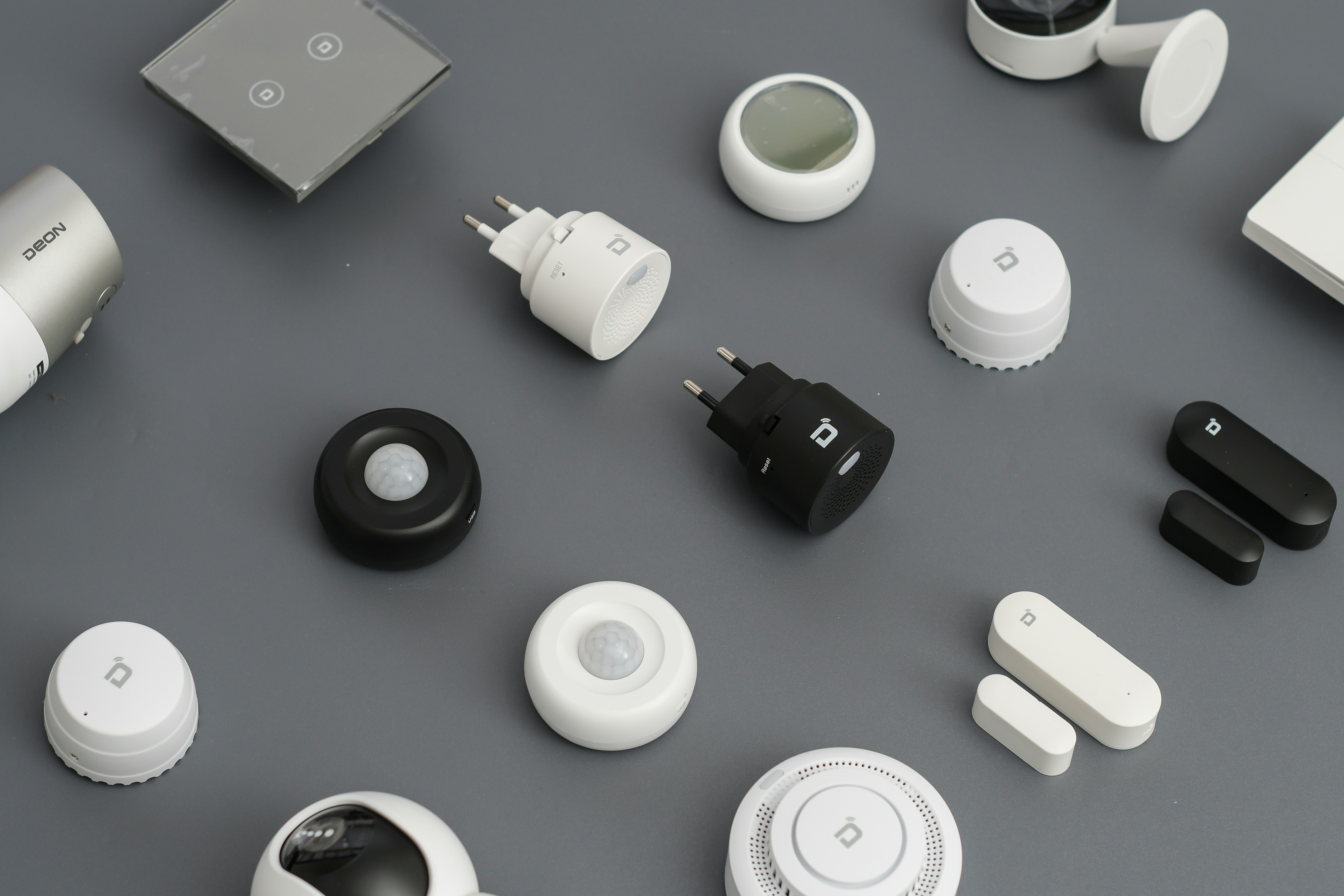
Understanding the differences between options like Alexa and Google Nest Hub is crucial for making an informed choice that aligns with personal requirements. By exploring the strengths and weaknesses of these devices, potential buyers can better navigate the complexities of smart home technology and enhance their daily living through effective management of tasks, entertainment, and connectivity. The selection process should be guided by a clear understanding of one’s lifestyle, desired functionalities, and existing technology investments in order to achieve optimal integration and utilization of smart devices in the home.
Product Review of the Amazon Echo (Alexa)
The Amazon Echo, powered by Alexa, has become a cornerstone of smart home technology. It offers a multitude of unique features that enhance its usability, particularly through voice commands, allowing hands-free operation. Users can easily manage a vast array of tasks—from adjusting home lighting to managing their calendar—simply by using their voice.
One of the standout features of the Amazon Echo is its smart home control capabilities. The device integrates seamlessly with numerous smart home systems, enabling users to control compatible devices directly via verbal commands. Whether it’s turning off lights, adjusting the thermostat, or locking the doors, the Echo provides a straightforward way to manage one’s environment. Furthermore, Alexa can be set up to facilitate routines, which enables users to automate specific tasks. For instance, a morning routine can include turning on lights, adjusting the thermostat, and providing a weather update all with one command.

- MEET ECHO SPOT – A sleek smart alarm clock with Alexa and big vibrant sound. Ready to help you wake up, wind down, and s…
- CUSTOMIZABLE SMART CLOCK – See time, weather, and song titles at a glance, control smart home devices, and more. Persona…
- BIG VIBRANT SOUND – Enjoy rich sound with clear vocals and deep bass. Just ask Alexa to play music, podcasts, and audiob…
In terms of performance, the Amazon Echo has been lauded for its responsiveness and clarity in voice recognition. This effectiveness significantly enhances usability, as it allows the device to understand diverse accents and command phrasing, thereby reducing frustration for users. Customer feedback frequently highlights the ease of configuration, as individuals can personalize settings and routines to fit their daily lives. Customization extends to skills, where users can enable additional functionalities through the Alexa app, integrating various applications that cater to specific needs, from ordering groceries to playing music.
Overall, the Amazon Echo, equipped with Alexa, showcases notable performance in smart home integration, providing users with a sophisticated and efficient smart home device that enhances convenience and customization in daily activities.
Amazon Echo (Alexa) – Pros and Cons
The Amazon Echo, equipped with the intelligent Alexa voice assistant, continues to be a popular choice for consumers looking to enhance their smart home experience. This device offers a variety of advantages that make it a valuable addition to any household.
One of the primary benefits of the Amazon Echo is its compatibility with a wide range of smart home devices. It seamlessly integrates with third-party gadgets, allowing users to control lights, thermostats, and security systems through simple voice commands. Furthermore, Alexa’s extensive catalog of skills enhances functionality, enabling users to perform various tasks such as ordering food, playing games, or accessing information effortlessly. The sound quality of the Echo is also noteworthy; it delivers high-quality audio for music streaming and voice calls, contributing to a rich listening experience.
Despite these advantages, the Amazon Echo is not without its drawbacks. One significant concern revolves around privacy. The always-listening feature may make some users uncomfortable, as it raises questions about data security and monitoring. Additionally, while Alexa has improved immensely in accuracy, users may encounter limitations in response accuracy, particularly with complex queries or in noisy environments. Occasionally, the device may misunderstand commands, leading to frustration during use.
In essence, when evaluating the Amazon Echo, users must weigh its robust compatibility and seamless integrations against privacy concerns and potential inaccuracies in responses. This balance will be crucial for consumers considering the Echo as a central component of their smart home ecosystem.
Product Review: Google Nest Hub
The Google Nest Hub is a prominent player in the smart home device arena, recognized for its user-friendly interface and integration with the Google Assistant. One of its standout features is the vibrant 7-inch display that not only enhances functionality but also elevates entertainment. Users can stream their favorite shows, view real-time information, or display family photos, making the Nest Hub a versatile addition to any living space.
Google Assistant plays a pivotal role in the Nest Hub’s appeal, granting users the ability to control their smart home devices with simple voice commands. According to various user reviews, the assistant’s voice recognition capabilities are impressive, allowing for seamless interaction whether the user is engaging in casual conversation or giving specific commands. This integration extends to managing schedules, providing weather updates, and facilitating communication through video calls, offering a comprehensive smart home experience.

Performance evaluations highlight the Google Nest Hub’s capability to function smoothly as a central hub for home automation. The touchscreen interface is lauded for its responsiveness, allowing users to navigate through apps and settings effortlessly. Many experts commend the device’s compatibility with a broad range of smart home products, from lights to thermostats, ensuring cohesive control over connected devices.
Despite its strengths, some users point out limitations with audio quality when comparing it to dedicated smart speakers. Nevertheless, the Nest Hub compensates for this with its impressive display and comprehensive range of features. Overall, the Google Nest Hub has garnered positive feedback for its usability, aesthetic design, and efficient integration into the everyday life of its users. It stands out as a formidable contender in the smart home landscape of 2026.
Google Nest Hub – Pros and Cons
The Google Nest Hub stands as a prominent player in the smart home device landscape, offering a combination of visual interaction and an intuitive interface that enhances user experience. One of its key strengths lies in its significant integration with Google services, making it a versatile companion for those who rely heavily on the Google ecosystem. Users can easily manage Google Calendar, play YouTube videos, and control smart home devices right from the device’s vibrant touchscreen. The visual feedback provided by the display allows for seamless navigation and interaction, catering especially to users who prefer a visual approach to managing their smart home.
Another major advantage of the Google Nest Hub is its ability to control numerous devices through both touch and voice commands. The device is designed to function as a central hub, enabling users to communicate with a variety of connected devices. This versatility allows for a more personalized experience, as different household members can interact with the device in ways that suit their preferences. Furthermore, the ability to display relevant information, schedules, reminders, and even recipe instructions makes it a valuable addition to any kitchen or living space.
However, the Google Nest Hub is not without its drawbacks. One notable disadvantage is its compatibility with smart home devices, which can be less extensive compared to Amazon Alexa. While it supports a wide range of devices, certain popular brands and categories may have better integration with other ecosystems. This limitation can discourage users who have invested in smart home technology that is not fully compatible with Google products. Moreover, while the visual display adds to its interactivity, it may not be as essential for users accustomed to voice-only commands. Consequently, potential buyers should weigh these pros and cons carefully when considering the Google Nest Hub for their smart home needs.
Comparison Table
In comparing the Alexa and Google Nest Hub, it is essential to highlight their key features, pricing structures, and suitability for diverse users. The comparison encompasses aspects such as voice command efficiency, compatibility with smart home ecosystems, display features, and overall value.
This comparison table helps outline the essential differences and similarities between the two devices. While both the Alexa and Google Nest Hub excel in various functions, the right choice depends on individual preferences and existing smart home setups.
Conclusion: Who Should Choose Alexa vs Google Nest Hub?
After a comprehensive examination of both Alexa and Google Nest Hub in 2026, it is evident that the choice between these two smart home devices significantly depends on individual user needs and preferences. Each device has unique strengths that cater to different demographic groups.
The Alexa ecosystem is particularly advantageous for users who are already invested in Amazon’s range of smart home products. If you own devices that are primarily compatible with Amazon, such as Echo speakers or Ring security cameras, the Alexa smart home integration will likely provide a seamless experience. Additionally, users who prioritize robust voice recognition and a wide array of third-party skills may find Alexa to be the better assistant for daily tasks and routines.
Conversely, the Google Nest Hub tends to appeal to individuals who value a more visually-oriented interface and hands-free interaction with multimedia content. For users who rely on Google services—such as Google Calendar, YouTube, or Google Photos—the Nest Hub offers better compatibility and functionality. Furthermore, for those who appreciate a more comprehensive approach to smart home control through visual cues, the Nest Hub excels with its touchscreen capabilities.
Moreover, for families or individuals who often seek assistance with cooking, weather updates, or general information, the Google Nest Hub’s display can provide a more engaging and interactive experience. Therefore, potential buyers should consider their existing smart home setup, their affinity for either Amazon or Google ecosystems, and how they envision using their smart home device to enhance their lifestyle.
In conclusion, users seeking a voice-first experience with deep integration into Amazon’s ecosystem should opt for Alexa, while those who favor a visual interface and better compatibility with Google services may prefer the Google Nest Hub.
Consider Making Your Purchase
If you are contemplating enhancing your smart home setup, both the Amazon Echo and Google Nest Hub present excellent choices. Each of these devices comes equipped with unique features and capabilities that cater to diverse needs and preferences. The Amazon Echo, powered by Alexa, excels in voice command functionalities, integrating seamlessly with a variety of smart home devices. Meanwhile, the Google Nest Hub offers a visually interactive experience, making it ideal for those who prefer a touch interface alongside voice control.
To make your decision easier, we encourage you to explore both options further. By utilizing the affiliate links provided below, you can access these products directly on Amazon, ensuring a straightforward purchasing process. Supporting our blog through these links not only simplifies your shopping experience but also aids in the creation of more informative content in the future.



If you decide to go with the Amazon Echo, you can check it out here. For those who prefer the Google Nest Hub, we recommend checking its features and specifications here. Both devices offer rich functionalities to transform your living space into a high-tech environment with ease and efficiency.
Ultimately, the choice between the Amazon Echo and Google Nest Hub will depend on your specific requirements and preferences regarding smart home management. Each option presents its own advantages, making it crucial to consider what features matter most to you. Happy shopping!