
Introduction to Smart Home Devices in 2025
The concept of smart homes has gained significant traction in recent years, driven by advancements in technology and a growing consumer demand for convenience and efficiency. Smart home devices refer to a collection of interconnected gadgets and appliances that can be controlled remotely, often via smartphones or voice-activated assistants. By integrating these devices into our daily lives, we can enhance our living environments by making them not only more convenient but also safer and more energy-efficient.
In 2025, the evolution of smart home technology promises remarkable enhancements that will redefine how we interact with our homes. The rise of artificial intelligence and the Internet of Things (IoT) plays a crucial role in this transformation. For instance, smart thermostats can learn user preferences to optimize heating and cooling while reducing energy consumption significantly. Similarly, smart security systems incorporate advanced facial recognition and motion detection features, ensuring robust protection for both homes and families.
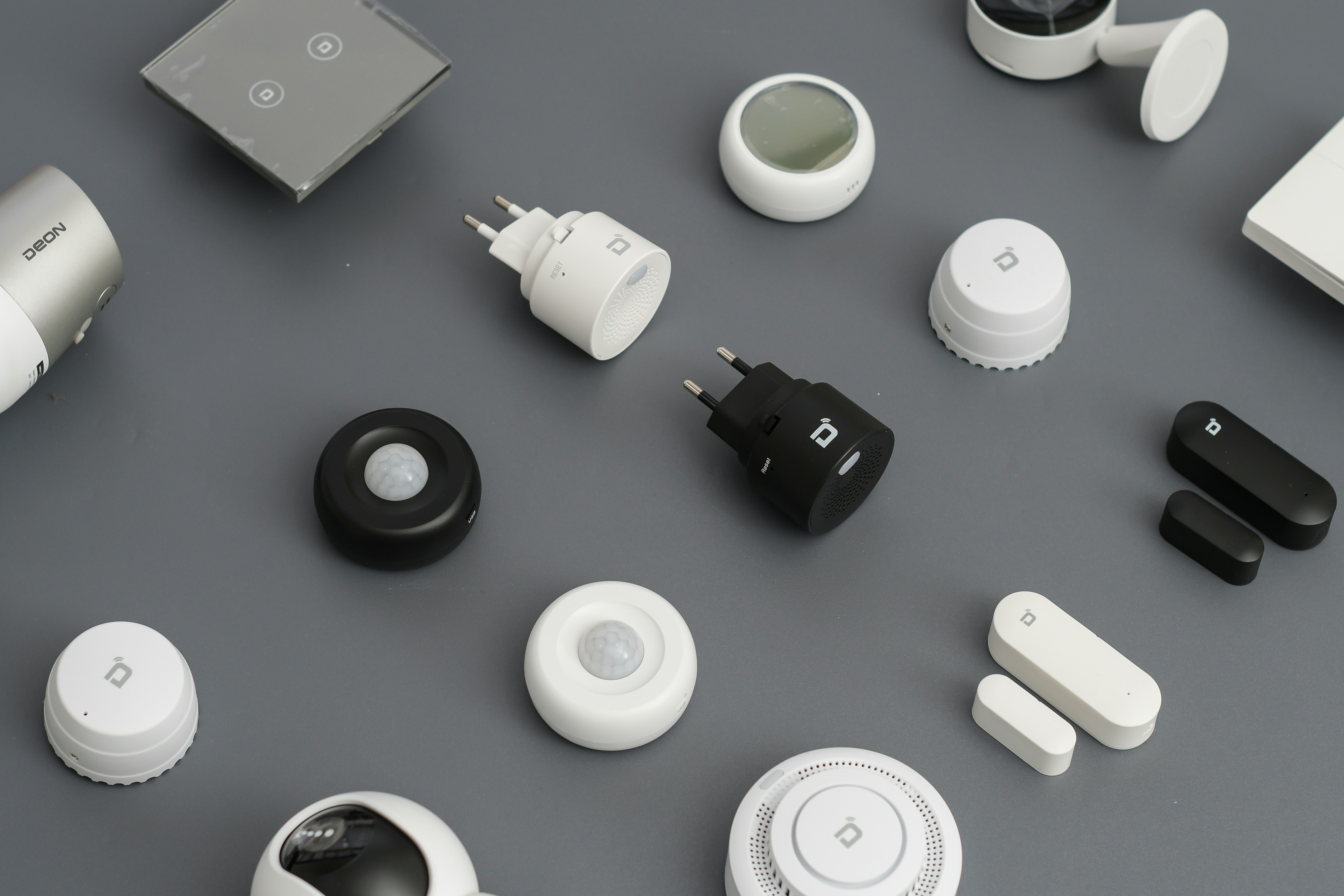
This pivotal year is set to introduce an array of innovative products that reflect consumer trends toward more integrated and user-friendly smart home ecosystems. As devices become increasingly sophisticated, they will provide seamless connectivity and better interoperability among various platforms, resulting in a cohesive smart home experience.
The significance of 2025 in the realm of smart home devices cannot be overstated. It marks a critical point where emerging technologies will culminate in enhanced user experiences, aligning with a broader societal shift towards sustainable living practices. Consumers can look forward to even more options for personalizing their environments, making daily tasks more manageable, and ultimately improving their quality of life.
Top Smart Speakers to Consider
As smart homes evolve, smart speakers have emerged as essential devices for seamless home automation in 2025. Three leading smart speaker options to consider are the Amazon Echo, Google Nest Hub, and Apple HomePod.

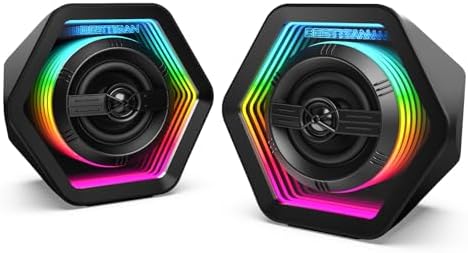

The Amazon Echo remains a popular choice thanks to its robust voice assistant capabilities powered by Alexa. This device excels in sound quality, with its premium audio performance enhancing music listening experiences. Moreover, it fosters compatibility with a plethora of other smart devices, ranging from lights to security systems, making it a versatile addition to any smart home setup. The Amazon Echo is available in various models, giving consumers the flexibility to choose options that fit their budget, typically ranging from $99 to $249, depending on features.
Another strong contender in the market is the Google Nest Hub. Known for its integration with Google’s ecosystem, this smart speaker features a touch screen, allowing users to visualize information while using voice commands. The Google Assistant is highly regarded for its accurate responses and ability to control connected devices efficiently. Its sound quality is commendable, although it may not match the superior audio performance of some competitors. Priced in the range of $89 to $229, the Google Nest Hub offers a valuable set of features, making it an excellent choice for those who appreciate visual interaction.
The Apple HomePod completes the trio with its exceptional sound clarity, designed specifically for audiophiles. This smart speaker seamlessly integrates with Apple products and can be operated using Siri. While it predominantly caters to a specific user base within the Apple ecosystem, it is highly praised for its sound experience and aesthetic design. The HomePod typically retails for about $299, making it a premium option for dedicated Apple users.
Choosing the right smart speaker ultimately depends on the desired features, ecosystem compatibility, and budget. By considering these leading smart speakers, users can enhance their homes in convenient and entertaining ways.
Revolutionizing Lighting: The Best Smart Lights
As we move into 2025, smart lighting is set to become an integral part of modern home automation. Leading brands such as Philips Hue, LIFX, and Wyze are at the forefront of this technological revolution, offering innovative products that cater to users’ evolving needs. Smart lights are designed to enhance convenience, energy efficiency, and ambiance in any living space.


Philips Hue, a well-recognized name in smart lighting, offers an extensive range of bulbs that support various color temperatures and a palette of colors, enabling users to create the perfect atmosphere for any occasion. Its ability to easily sync with other smart home devices makes it a favorite among tech enthusiasts. The integration with voice assistants such as Amazon Alexa and Google Assistant allows for simple voice commands to control lighting, making it an ideal choice for hands-free operation.
LIFX is another notable brand that excels in smart lighting technology. Known for its rich color options and high brightness levels, LIFX products do not require a hub, which simplifies installation and setup. Additionally, they offer features like scheduling, which allows users to program their lights to turn on and off automatically, reducing energy consumption and enhancing security by simulating occupancy.
Wyze, an emerging player in the smart lighting market, delivers affordable yet versatile options. Its smart bulbs come with color-changing capabilities, remote control via mobile apps, and compatibility with most voice assistants. The user-friendly interface and competitive pricing make Wyze a compelling choice for those new to smart home technology.
Implementing smart lighting solutions in the home not only leads to significant energy savings but also provides users with greater control over their living environment. With features such as remote access, scheduling, and integration with smart home ecosystems, it is easy to see how smart lights are essential for a modern home.
Smart Plugs: The Gateway to Home Automation
Smart plugs are a pivotal component in the world of smart home technology, allowing users to seamlessly transform any standard appliance into a smart device. Through these innovative tools, conventional electrical devices such as lamps, coffee makers, and fans can gain connectivity and automated control, significantly enhancing household convenience while promoting energy efficiency.


One of the key advantages of smart plugs is their ability to integrate with popular home assistants like Amazon Alexa, Google Assistant, and Apple HomeKit. This compatibility enables users to control their devices using voice commands, providing a hands-free experience. Smart plugs can be programmed to operate on schedules, making it easy to turn appliances on and off according to individual routines. For example, they can be set to power on a coffee maker each morning, ensuring that a fresh brew is ready upon waking.
Among the top choices in the market are the TP-Link Kasa Smart Plug and the Wemo Mini Smart Plug. The TP-Link Kasa offers a user-friendly interface via its dedicated smartphone app, allowing for ease of use and versatility. With its energy monitoring feature, users can track their energy consumption and optimize usage for savings. On the other hand, the Wemo Mini Smart Plug is celebrated for its compact design, enabling multiple units to fit in a single outlet without covering adjacent spaces. Its robust compatibility with various smart home ecosystems makes it an excellent choice for many users.
Prices for smart plugs typically range from $15 to $30, making them an affordable entry point for those looking to delve into smart home automation. Investing in smart plugs can yield immediate benefits, turning any home into a more interactive and responsive living space.
Smart Thermostats Overview
Smart thermostats have emerged as essential devices in modern smart homes, offering innovative solutions for energy management and efficiency. These devices utilize advanced technology to learn user preferences and optimize heating and cooling schedules, resulting in significant cost savings on energy bills.
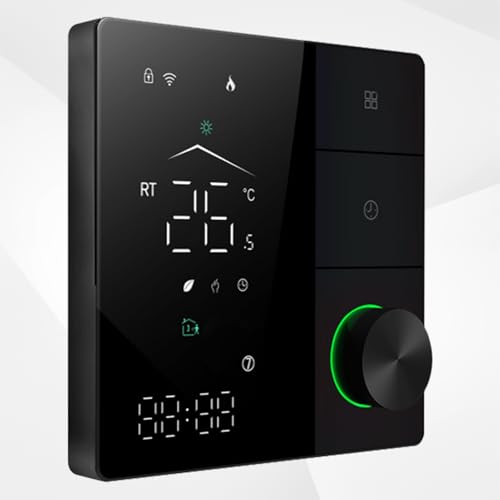


One exemplary model is the Nest Learning Thermostat, which is designed to intuitively learn your habits over time. It adjusts the temperature automatically based on your routines, ensuring comfort while minimizing unnecessary energy consumption. Additionally, the Nest thermostat can be easily controlled remotely through a smartphone app, allowing users to adjust settings even when they are away from home. This feature not only enhances convenience but also helps maximize energy savings by allowing for temperature adjustments based on occupancy.
Another notable option is the Ecobee SmartThermostat, which includes built-in Alexa functionality, enabling voice control and integration with other smart home devices. Its responsive learning capabilities allow it to adjust settings based on real-time weather data and occupancy sensors, further enhancing energy efficiency. Users can receive detailed reports on their energy usage, empowering them to make informed decisions about their heating and cooling habits.
Both the Nest and Ecobee models exemplify how smart thermostats can significantly reduce energy expenditure while ensuring optimal comfort. By investing in one of these intelligent devices, homeowners can promote a sustainable living environment, decrease carbon footprints, and ultimately save money on energy costs. In an age where energy efficiency is paramount, the transition to smart thermostats represents a wise choice for anyone looking to upgrade their home in 2025.
Upgrade Your Security with Smart Cameras
As home security becomes increasingly important, smart cameras are leading the way in providing homeowners enhanced surveillance options. Devices like Ring, Arlo, and Wyze have gained significant popularity due to their advanced features and ease of use. These smart security cameras not only monitor your home but also provide a sense of security and control over your living environment.
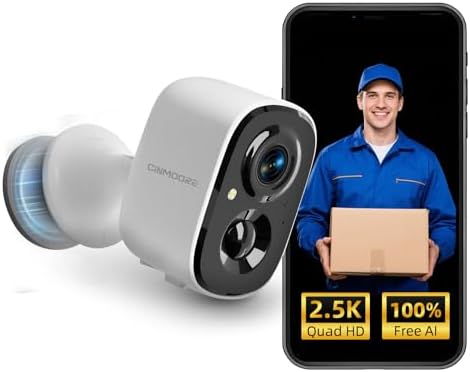

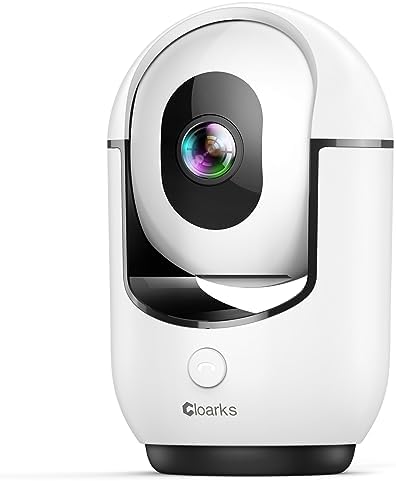
One notable feature of these smart cameras is their ability to offer both indoor and outdoor solutions. For instance, the Ring camera line includes options specifically designed to withstand outdoor elements, ensuring that homeowners can keep an eye on their property even in adverse weather conditions. Similarly, Arlo’s outdoor models boast features such as night vision and motion detection, which can alert homeowners to activity around their homes. Indoor smart cameras, like those from Wyze, provide peace of mind by allowing users to monitor pets or ensure that children are safe.
Integration with other smart home devices is another significant advantage of modern security cameras. Many models can be linked with existing systems, such as doorbell cameras, smart locks, and home automation hubs, creating a cohesive security network. For example, a smart camera can notify you if someone approaches your front door while you are at home or away. This level of interconnectivity enhances overall security by providing real-time alerts and responses.
When considering cloud storage, most smart camera brands, including Ring, Arlo, and Wyze, offer subscription models that allow homeowners to save recorded footage. While some basic functionalities are available for free, premium plans typically provide extended storage, advanced features like facial recognition, and the ability to store video for longer periods. This aspect is crucial for homeowners who want to ensure they have access to critical evidence when necessary.
In addition to these features, smart cameras help deter crime. The visible presence of a security camera can act as a powerful deterrent to potential intruders. By monitoring your property and receiving notifications of unusual activity, homeowners can respond quickly to potential security breaches.
Seamless Smart Home Integration: Tips for Beginners
As technology advances, integrating smart home devices into personal living spaces has become increasingly popular. For beginners embarking on this journey, there are essential tips to ensure a seamless transition to a smart home ecosystem. The first consideration should be choosing a compatible environment, such as Google Home, Amazon Alexa, or Apple HomeKit. Each ecosystem has its advantages and compatibility with various devices; thus, research is crucial before selecting the right fit for your lifestyle.
Setting a budget is also imperative when venturing into the realm of smart home technology. With an extensive range of options available, expenses can quickly spiral if one is not careful. A well-defined budget will not only help you prioritize which devices to acquire, such as smart speakers, lights, or thermostats, but also allow for additional investments in the future. Retain a ballpark figure in mind and allow for some flexibility to accommodate for essential accessories that may arise.
Another key element to consider is Wi-Fi reliability. Smart home devices typically require a strong and stable internet connection for optimal performance. Prior to installation, users should assess their home network’s capability, ensuring that weak signals do not hinder device functionality. It may be beneficial to invest in range extenders or a robust mesh system to cover every corner of your home efficiently.
Planning for device placement is critical to achieving the best user experience. Take time to visualize where devices will be located, considering access to power outlets and user convenience. Devices such as smart speakers will benefit from being in communal spaces, while security cameras may need strategic positioning for optimal coverage.
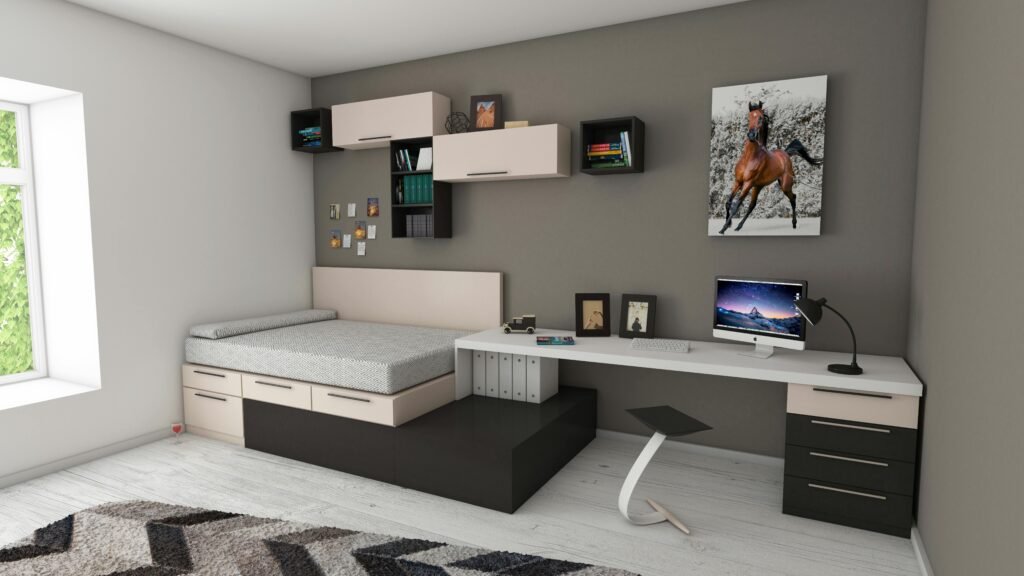
A focus on user friendliness will ensure everyone in the household feels comfortable interacting with the new devices. Opt for devices with intuitive interfaces; this will minimize frustration and encourage full family integration into your smart home. By adhering to these guidelines, newcomers can successfully navigate the world of smart home technology with ease.
Optimizing Your Smart Home Setup
To create an efficient smart home ecosystem, it is vital to optimize the performance of your devices. One of the most effective strategies is to establish routines that allow multiple devices to work together seamlessly. For example, you can set up a morning routine that gradually brightens your smart lights, starts your coffee maker, and adjusts your thermostat to create a comfortable wake-up environment. These routines not only enhance convenience but also streamline daily activities.
Additionally, utilizing scenes can significantly enhance your smart home experience. Scenes are custom settings that can adjust multiple devices at once. For instance, a “movie night” scene can dim the lights, lower the shades, and turn on your entertainment system with a single command. Engaging these features maximizes the functionality of your smart devices and improves the overall ambience of your home.
Another crucial aspect of optimizing your smart home setup involves automation. By setting automated triggers, you can program devices to respond to specific actions or conditions, such as turning off lights when you leave the house or locking doors at a certain time. This not only promotes energy efficiency but also enhances security and peace of mind.
Regular software updates are essential to maintain the efficiency and security of your smart home devices. Manufacturers routinely release firmware updates that can enhance performance, add new features, and address any potential vulnerabilities. Integrating these updates ensures that your system operates smoothly.
Lastly, maintaining interconnectivity among devices is critical. Use a reliable smart home hub that can integrate all types of devices, regardless of the manufacturer, to ensure they communicate effectively with each other. This interconnectedness is key to maximizing the efficiency and enjoyment of your smart home environment.
Conclusion: Transform Your Home with Smart Technology
As we have explored throughout this blog post, the integration of smart home devices can significantly enhance your living environment in 2025. These cutting-edge technologies offer unparalleled convenience, increased security, and energy efficiency, making them a wise investment for any modern household. From smart thermostats that regulate temperature automatically to voice-activated assistants that control various aspects of your home, the options available are diverse and tailored to meet individual needs.
Additionally, the advancements in smart technology allow for seamless connectivity, enabling homeowners to manage their devices from virtually anywhere. The convenience of remote access to home security systems, lighting, and climate controls not only brings peace of mind but also encourages energy conservation, which can lead to substantial savings on utility bills.
In transitioning to a smart home, users are not merely upgrading their living spaces; they are investing in a lifestyle that embraces innovation and sustainability. As technology continues to evolve, early adopters will find themselves benefiting from enhanced functionalities and smart integrations that improve daily routines.
For those considering this exciting transition, Amazon offers an extensive selection of smart devices that cater to various preferences and budgets. Whether you are interested in smart speakers, home security cameras, or automated lighting systems, you can find high-quality products that align with your needs. By investing in these technologies today, you are laying the groundwork for a more efficient and comfortable home tomorrow.