
Introduction
The smartphone market has undergone transformative changes in recent years, marked by rapid advancements in technology that have fundamentally altered the way we communicate, work, and engage with the world. With an increasing array of extraordinary features and capabilities, selecting the right smartphone has become a nuanced decision tailored to the individual preferences and needs of consumers. In 2026, this selection is significantly influenced by performance, camera quality, operating systems, battery life, and price point—factors that can vary widely among the latest models.
This blog post aims to provide a comprehensive comparison of three leading smartphones available in the market today: the iPhone 15, Samsung Galaxy S24, and Google Pixel 8. Each of these devices boasts distinct features and specifications that cater to diverse user requirements. The iPhone 15 is celebrated for its seamless integration within the Apple ecosystem, providing an intuitive user experience paired with robust hardware and security features. In contrast, the Samsung Galaxy S24 is known for its cutting-edge technology, vibrant display, and exceptional multitasking capabilities, appealing particularly to those who prioritize versatility.
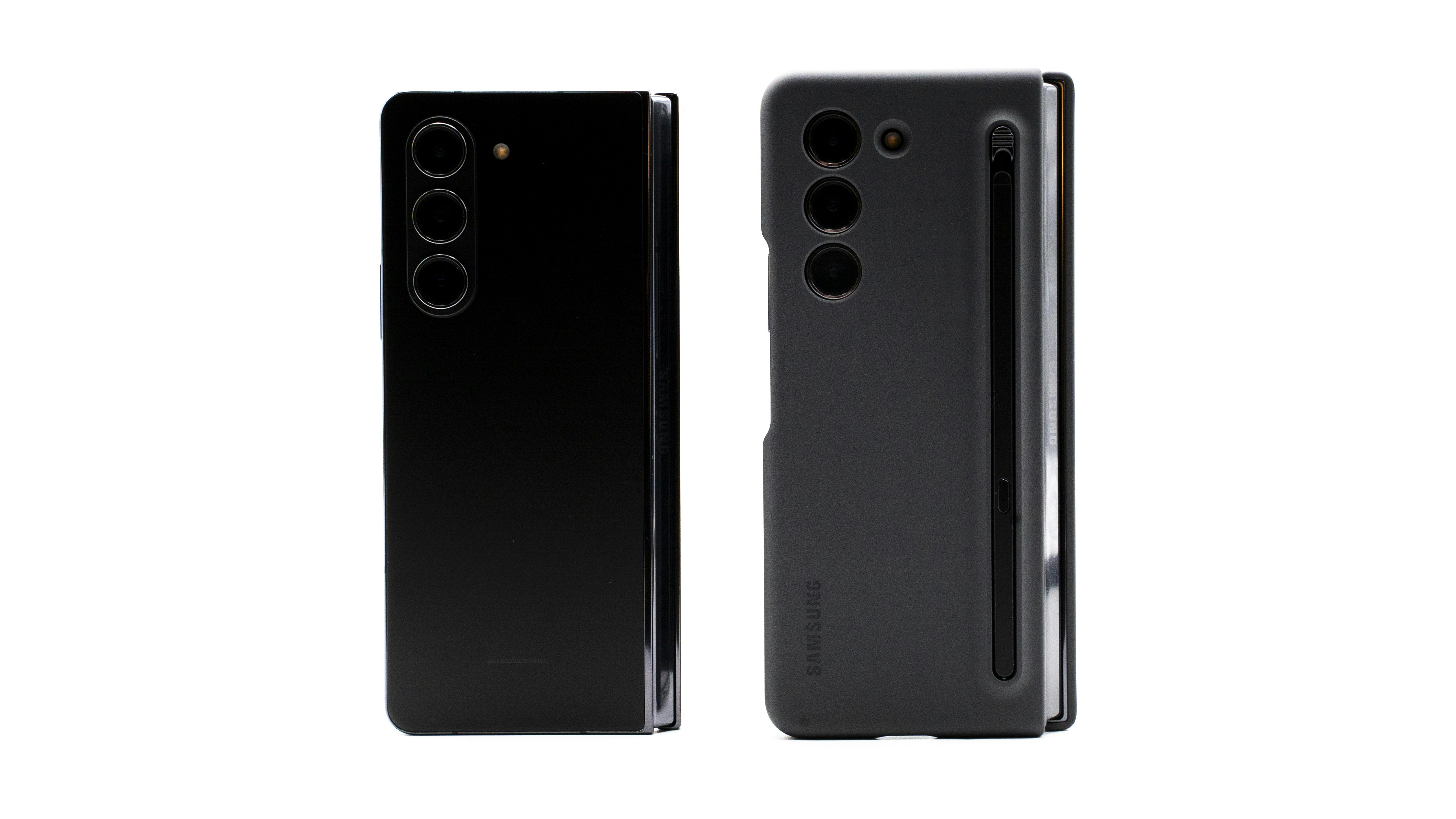
Meanwhile, the Google Pixel 8 stands out due to its remarkable camera performance and intuitive software, offering a unique approach to smartphone user experience. As we delve deeper into this comparative analysis, we will explore essential criteria that can guide potential buyers in making informed decisions. By examining the strengths and weaknesses of each of these smartphones, consumers can better understand how to choose a device that aligns with their daily needs and lifestyle preferences.
Performance Comparison
The performance of a smartphone is critical, especially in an age where multitasking and processing power are paramount. The three leading devices in 2026—the iPhone 15, Samsung Galaxy S24, and Google Pixel 8—showcase varying strengths in this arena, which can significantly impact user experience.
The iPhone 15 is powered by Apple’s A17 Bionic chip, known for its efficiency and speed. This advanced processor not only enhances the phone’s performance during demanding applications but also ensures smooth operation during everyday tasks. The device includes up to 8GB of RAM, allowing users to seamlessly switch between applications without significant lag, making it a solid choice for users who require high performance from their smartphones.
In contrast, the Samsung Galaxy S24 boasts the latest Exynos 2200 or Snapdragon 8 Gen 2 chip, depending on the region. This flagship processor is designed to handle intense gaming and multitasking with ease. With options of up to 12GB of RAM, the Galaxy S24 excels in performance, especially for users who run various apps concurrently or engage in resource-heavy activities such as video editing and gaming.
The Google Pixel 8 utilizes the Google Tensor G3 chip, engineered specifically for optimizing AI functionalities along with daily tasks. While the Pixel 8 offers up to 12GB of RAM, its performance is notably enhanced in machine learning and photography, making it an excellent choice for users whose priorities lie in advanced camera features and AI-driven applications.
When it comes to overall speed and multitasking capabilities, each smartphone has integrated features aimed at improving user experience. However, the choice among the iPhone 15, Samsung Galaxy S24, and Google Pixel 8 may ultimately depend on individual preferences regarding operating systems, design, and specific usage scenarios. Careful consideration of these performance aspects will guide potential buyers in selecting the right device for their needs.
Camera Quality Evaluation
The camera systems of the iPhone 15, Samsung Galaxy S24, and Google Pixel 8 represent the pinnacle of smartphone photography in 2026, each incorporating advanced technologies and thoughtful design to elevate the user experience. The iPhone 15 features a dual-camera setup with a 48-megapixel main sensor, which is known for exceptional color accuracy and detail retention. Coupled with Apple’s computational photography techniques, the iPhone delivers stunning results even in challenging lighting conditions.

- 【6.99 HD+ Android 14.0】 This is an Android Cell phone with a large screen,6.99”HD+ Display 1440*3040,This unlocked Andro…
- 【Snapdragon8 Gen3 + 128GB Expandable TF Card】 Snapdragon8 Gen3 12 Core CPU with 16GB+512GB of memory is enough for you t…
- 【Dual SIM and Global Band 5G Phone】Dual SIM & 3 Card Slots, 16PROMA X Smartphone adopts 2+1 card slot design, supports t…
The Samsung Galaxy S24, on the other hand, boasts a triple-camera configuration, including a 200-megapixel wide sensor that captures images with remarkable clarity. Samsung has also placed a significant emphasis on low-light performance, integrating advanced image processing algorithms that allow for impressive night photography. It also supports multiple photography modes, giving users the flexibility to adjust settings according to their needs.
Google Pixel 8 continues the brand’s tradition of leveraging artificial intelligence to enhance image quality. Its 50-megapixel camera is equipped with superb computational photography features, such as Super Res Zoom and Magic Eraser, which improve photo quality significantly. The AI enhancements not only optimize image processing in real-time but also refine final outputs, making Pixel 8 a strong contender in video capability as well, supporting up to 4K video recording with superior stabilization.
When comparing these three smartphones, it becomes clear that each model excels in different aspects. The iPhone 15 impresses with its ease of use and consistency across various scenarios, while the Samsung Galaxy S24 appeals to those who prioritize ultra-high resolution and versatility. The Google Pixel 8 stands out for its AI-driven enhancements, which facilitate impressive results for both photography and videography, particularly in dynamic and challenging environments.
Battery Life Analysis
When comparing the iPhone 15, Samsung Galaxy S24, and Google Pixel 8, a critical aspect that potential buyers should consider is battery life. Battery capacity is a primary indicator of how long a device will last on a single charge. The iPhone 15 is equipped with a robust battery that reportedly offers improved longevity compared to its predecessors, allowing extensive usage throughout the day. Users can expect substantial screen-on time, especially when engaging in common activities such as web browsing or video streaming, which typically drain battery levels more rapidly.

- BIG. BRIGHT. SMOOTH : Enjoy every scroll, swipe and stream on a stunning 6.7” wide display that’s as smooth for scrollin…
- LIGHTWEIGHT DESIGN, EVERYDAY EASE: With a lightweight build and slim profile, Galaxy S25 FE is made for life on the go. …
- SELFIES THAT STUN: Every selfie’s a standout with Galaxy S25 FE. Snap sharp shots and vivid videos thanks to the 12MP se…
The Samsung Galaxy S24 has also made significant advancements. With a larger battery capacity coupled with optimized energy consumption, users have reported excellent performance during intensive tasks and regular day-to-day activities. Charging speeds further enhance the user experience, thanks to the device’s support for fast charging technologies. Consequently, consumers can quickly recharge their devices during brief intervals, ensuring they remain connected throughout the day.
In contrast, the Google Pixel 8, while optimized for software efficiency, may offer slightly less battery capacity compared to its rivals. However, it compensates for this with intelligent battery management features, helping extend its overall longevity. Users engaging in prolonged photo capture or gaming can expect reasonable battery performance, but heavy use may necessitate more frequent charging than the iPhone 15 or Samsung Galaxy S24.
In real-world scenarios, each device’s battery performance varies. The iPhone 15 is noted for solid endurance under general usage, while the Galaxy S24 shines during power-hungry tasks. The Pixel 8 suits users who prioritize software efficiency over raw battery power. Active users and tech enthusiasts will find that these devices cater to different preferences within the spectrum of battery performance, ultimately impacting their choice.
Display Technology Overview
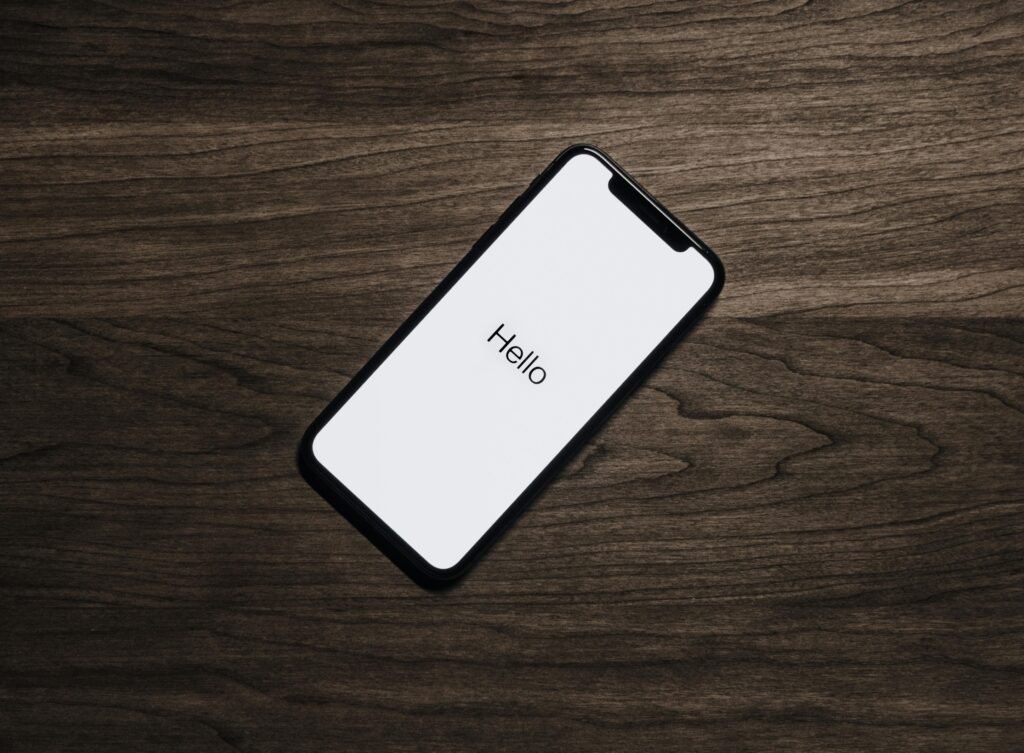
The evolution of display technology in smartphones has made significant strides, particularly in the 2026 models, such as the iPhone 15, Samsung Galaxy S24, and Google Pixel 8. Each of these devices employs advanced display technologies that offer exceptional visual experiences, catering to a variety of user needs, from media consumption to gaming.
The iPhone 15 features an impressive OLED panel, known for its vibrant colors and deep blacks. It boasts a screen resolution of 2532 x 1170, providing clarity that enhances the viewing experience, especially when streaming high-definition content or playing graphic-intensive games. The adaptive refresh rate of 120Hz further enhances fluidity, making interactions feel smooth and responsive.
In contrast, the Samsung Galaxy S24 also incorporates an advanced AMOLED display, offering a resolution of 3200 x 1440 pixels. This high pixel density ensures that images and text are exceptionally sharp. Furthermore, the Galaxy S24 supports a refresh rate of up to 144Hz, making it ideal for gamers who require fast-paced action to remain fluid and responsive, thus providing a competitive advantage in mobile gaming scenarios.
On the other hand, the Google Pixel 8 relies on a slightly different approach with its OLED display, featuring a resolution of 2400 x 1080 pixels. While this may seem lower than its competitors, it still provides an excellent viewing experience thanks to its accurate color reproduction and HDR support. The Pixel 8 also offers a refresh rate of 120Hz, ensuring that scrolling and animations remain smooth and satisfactory during everyday use.
Ultimately, the choice of display type (OLED vs. LCD), along with resolution and refresh rates, plays a crucial role in shaping the user experience. Each smartphone presents its strengths, catering to different preferences and usages, whether for media consumption, gaming engagement, or general daily tasks.
Software Features and User Experience
The iPhone 15, Samsung Galaxy S24, and Google Pixel 8 each boast distinct software ecosystems that significantly influence the overall user experience. The iPhone 15 operates on iOS, Apple’s proprietary operating system, renowned for its seamless integration of hardware and software. One of the standout features of iOS is its user-friendly interface, characterized by intuitive navigation and a consistent design across applications. This cohesiveness leads to a straightforward and efficient user experience, appealing to both newcomers and seasoned users. Additionally, iOS is known for its robust security features and timely software updates, ensuring that users benefit from the latest enhancements and security patches.
In contrast, the Samsung Galaxy S24 utilizes One UI, Samsung’s customized interface built upon Android. One UI prioritizes customization and versatility, allowing users to personalize their home screens and application layouts to a greater extent than iOS. The interface is designed with optimization for larger screens in mind, providing features such as adaptive color themes and a comprehensive settings menu. Furthermore, Samsung’s One UI is often recognized for its unique features, such as Samsung DeX, which enables users to utilize their device in a desktop-like environment, enhancing productivity.

- Meet Google Pixel 8a, the Google AI phone; with the incredible Pixel Camera and top-rated security features to help prot…
- Unlocked Android 5G smartphone gives you the flexibility to change carriers and choose your own data plan[2]; it works w…
- The Pixel Camera gives you amazing photo and video quality; Google AI helps you create perfect group shots with Best Tak…
The Google Pixel 8 runs on a pure form of Android, showcasing Google’s vision for this operating system. This smartphone takes full advantage of the latest Android updates and features ahead of other brands, offering users a clean and uncluttered interface. One of the significant advantages of the Pixel 8 is its exceptional Google Assistant integration, allowing for voice-activated commands that simplify tasks and enhance convenience. While Android offers diverse app compatibility, Google’s emphasis on artificial intelligence elevates the user experience through smart suggestions and tailored functionalities.
Gaming Capabilities Review
As mobile gaming continues to rise in popularity, assessing the gaming capabilities of the top-performing smartphones is crucial. The iPhone 15, Samsung Galaxy S24, and Google Pixel 8 offer varied gaming experiences, primarily influenced by their GPU performance, game optimization, and compatibility with gaming accessories.
The iPhone 15 is equipped with Apple’s A16 Bionic chip that features a robust GPU, delivering impressive graphics and smooth frame rates. This processor allows the device to handle graphics-intensive games effortlessly, and developers widely optimize their titles for iOS, resulting in an enhanced gaming experience. Moreover, Apple’s Metal framework elevates performance by optimizing resource utilization, ensuring games run efficiently without compromise to visual quality.
Conversely, the Samsung Galaxy S24 utilizes the Exynos 2200 or Snapdragon 8 Gen 2 chip, depending on the region. This latest generation of processors provides high-performance gaming capabilities, particularly with its Adreno GPU, which is designed for rigorous gaming tasks. Samsung’s Game Optimizing Service (GOS) further enhances the gaming experience by balancing performance and thermal management, ensuring that users can enjoy prolonged gaming sessions without overheating.
The Google Pixel 8, although positioned as a flagship device, features the Google Tensor G3 chip, which provides decent gaming performance. However, its GPU is less powerful than its counterparts, potentially impacting frame rates and overall graphics quality in demanding games. Nevertheless, Google prioritizes game optimization on its platform, ensuring that most popular titles run smoothly.
Compatibility with mobile gaming accessories also significantly affects the gaming experience. The iPhone 15, with its widespread support for gaming peripherals, including controllers and VR devices, enhances interactivity. The Galaxy S24 also supports various gaming accessories; however, the Pixel 8 falls slightly behind in terms of accessory compatibility. Overall, each smartphone presents unique strengths and weaknesses, catering to different types of gamers.
Storage Options and Expandability
In the realm of smartphones, storage capacity often serves as a crucial factor for consumers, particularly those who engage in activities that require substantial space, such as photography, gaming, and app usage. The iPhone 15, Samsung Galaxy S24, and Google Pixel 8 each offer diverse storage configurations tailored to meet various user needs.
The iPhone 15 is available in multiple storage options, starting from a base 128 GB up to an impressive 1 TB. These choices cater to various users; for instance, the lower capacities suffice for average users, while content creators may find the maximum capacity indispensable for storing large video files and high-resolution images. However, it is pertinent to note that Apple does not provide options for expandable storage via SD cards, placing a definitive cap on the maximum potential storage for users.
Conversely, the Samsung Galaxy S24 also offers a range of internal storage options, with choices that begin at 256 GB and extend up to 1 TB. A significant advantage of the Galaxy S24 is its provision for expandable storage through a microSD card slot, permitting users to supplement their internal storage easily. This feature is invaluable for those who frequently download apps, media, or files that demand significant storage space.
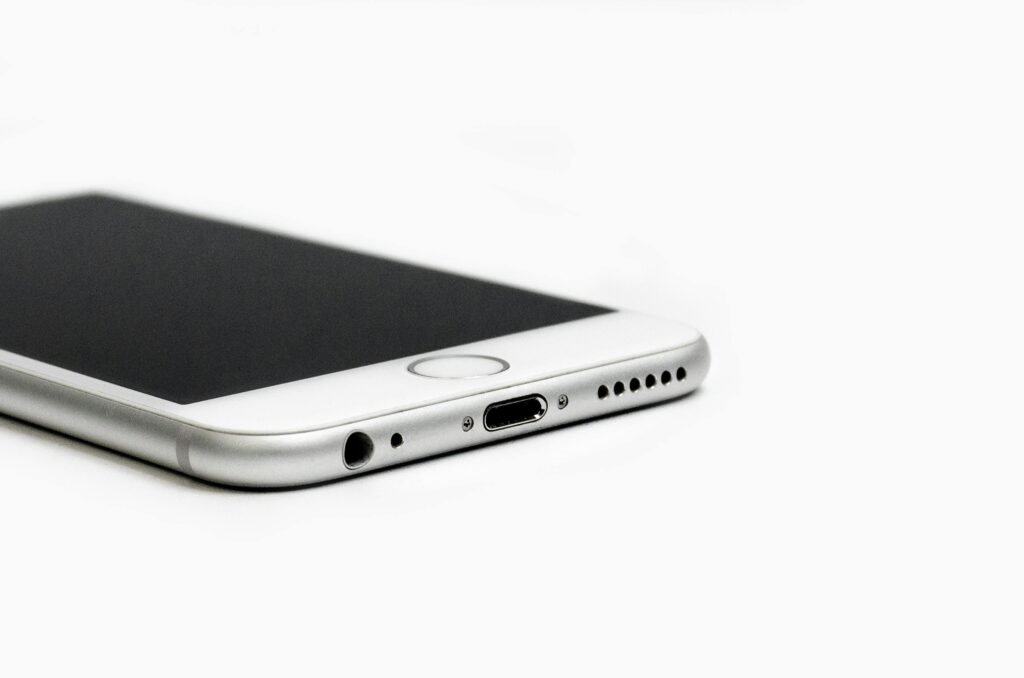
Meanwhile, the Google Pixel 8 comes in storage options starting at 128 GB and going up to a maximum of 512 GB. Similar to the iPhone, the Pixel 8 does not support expandable storage, which may be a drawback for users handling extensive media libraries or applications. In summary, while all three models provide substantial internal storage options, only the Samsung Galaxy S24 offers the flexibility of expandability, which could influence consumer decisions based on their individual storage needs.
Price and Overall Value Consideration
When evaluating the latest smartphones available, it is essential to consider both the pricing and overall value offered by each device. In 2026, the three major contenders—iPhone 15, Samsung Galaxy S24, and Google Pixel 8—present distinct pricing structures that reflect their features, performance capabilities, and brand positioning within the smartphone market.
The iPhone 15 typically represents one of the more premium price points. However, it also offers a suite of high-end features, including an advanced camera system, seamless integration with other Apple products, and a reputation for long-lasting software support. Users who prioritize ecosystem benefits and design might find that the cost aligns well with the value provided.
In contrast, the Samsung Galaxy S24 offers a comprehensive feature set at a competitive price, often seen as a balanced option for consumers seeking high performance without the highest price tag. The device is known for its vibrant display, impressive battery life, and expandable storage options, making it suitable for a diverse range of users, from casual to power users.
On the other hand, the Google Pixel 8 distinguishes itself by being more budget-friendly while still offering an impressive camera, substantial software features, and a clean user interface. Google’s commitment to providing always-up-to-date software enhances its value proposition, particularly for those who prioritize having the latest Android features without the high cost associated with flagship devices.
Ultimately, the decision on which smartphone provides the best value is influenced by individual requirements such as performance, ecosystem compatibility, and budget constraints. Each of these devices brings unique strengths that cater to different consumer preferences, making it critical to assess personal needs alongside pricing when determining the overall value of the iPhone 15, Samsung Galaxy S24, and Google Pixel 8.
Conclusion and Recommendations
In concluding our thorough exploration of the leading smartphones in 2026, namely the iPhone 15, Samsung Galaxy S24, and Google Pixel 8, it is essential to reflect on the distinct features and capabilities of each device. Each smartphone offers unique advantages that cater to different user preferences. For those who prioritize photography, the Google Pixel 8 stands out, boasting an advanced camera system that excels in various conditions, producing stunning images that appeal to both casual users and photography enthusiasts alike.
On the other hand, users who value a seamless and polished ecosystem may find the iPhone 15 to be their best choice. With its integration within the Apple ecosystem, it offers unrivaled accessibility and synchronization across multiple Apple devices. Additionally, its user-friendly interface and consistent updates enhance its appeal, particularly to users who are already embedded in Apple’s ecosystem.
For individuals whose primary concern is an overall balance of innovation, performance, and value, the Samsung Galaxy S24 emerges as a commendable option. With its cutting-edge hardware, versatility in features, and extensive customization options, it provides a well-rounded experience that satisfies a wide array of user needs. Gaming enthusiasts will undoubtedly appreciate its powerful performance and immersive display.
Ultimately, when selecting the best smartphone for your personal or professional life, it is crucial to consider your specific priorities. Evaluate what features matter most to you, whether it be advanced photography, a cohesive software experience, or robust performance for gaming and multitasking. By aligning your choice with your individual requirements, you can ensure that the smartphone you select becomes an invaluable tool in your everyday life.